
Last updated October 15, 2026
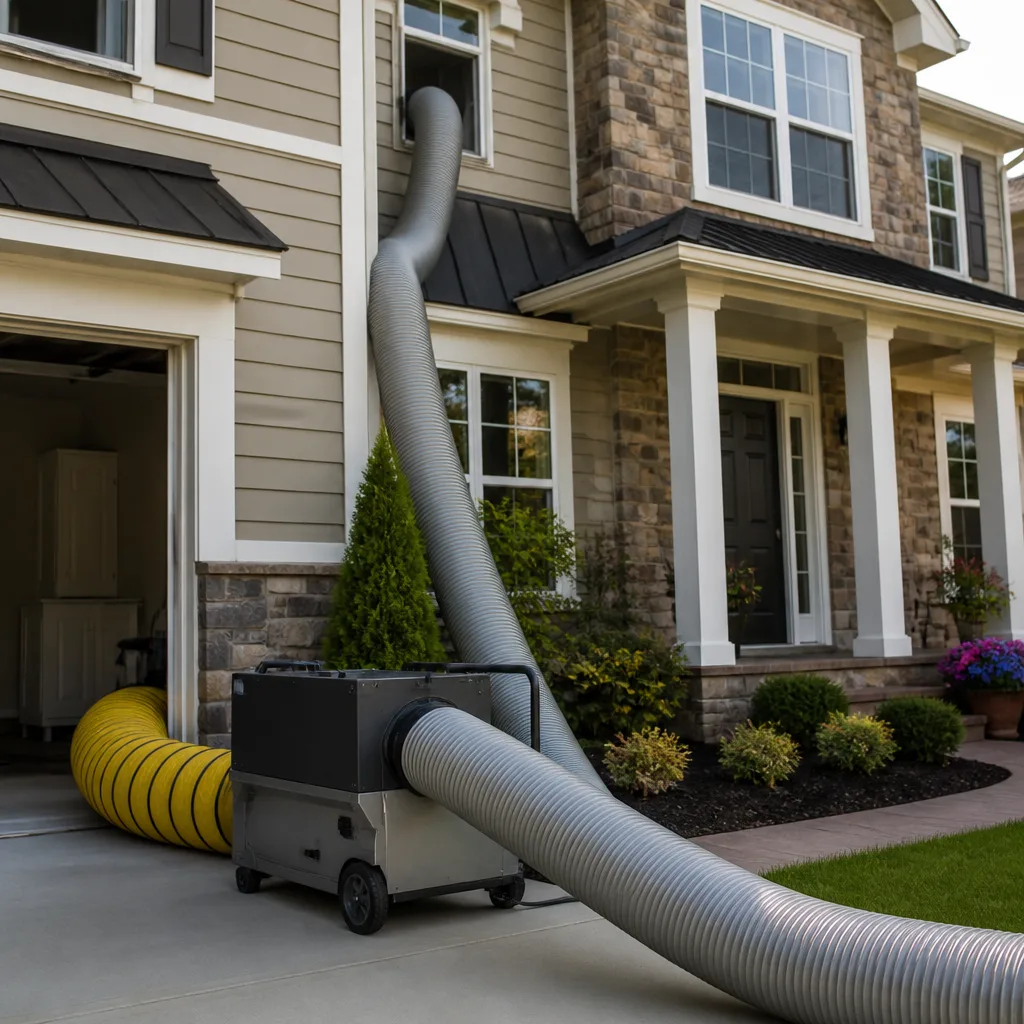 Whole-home duct cleaning
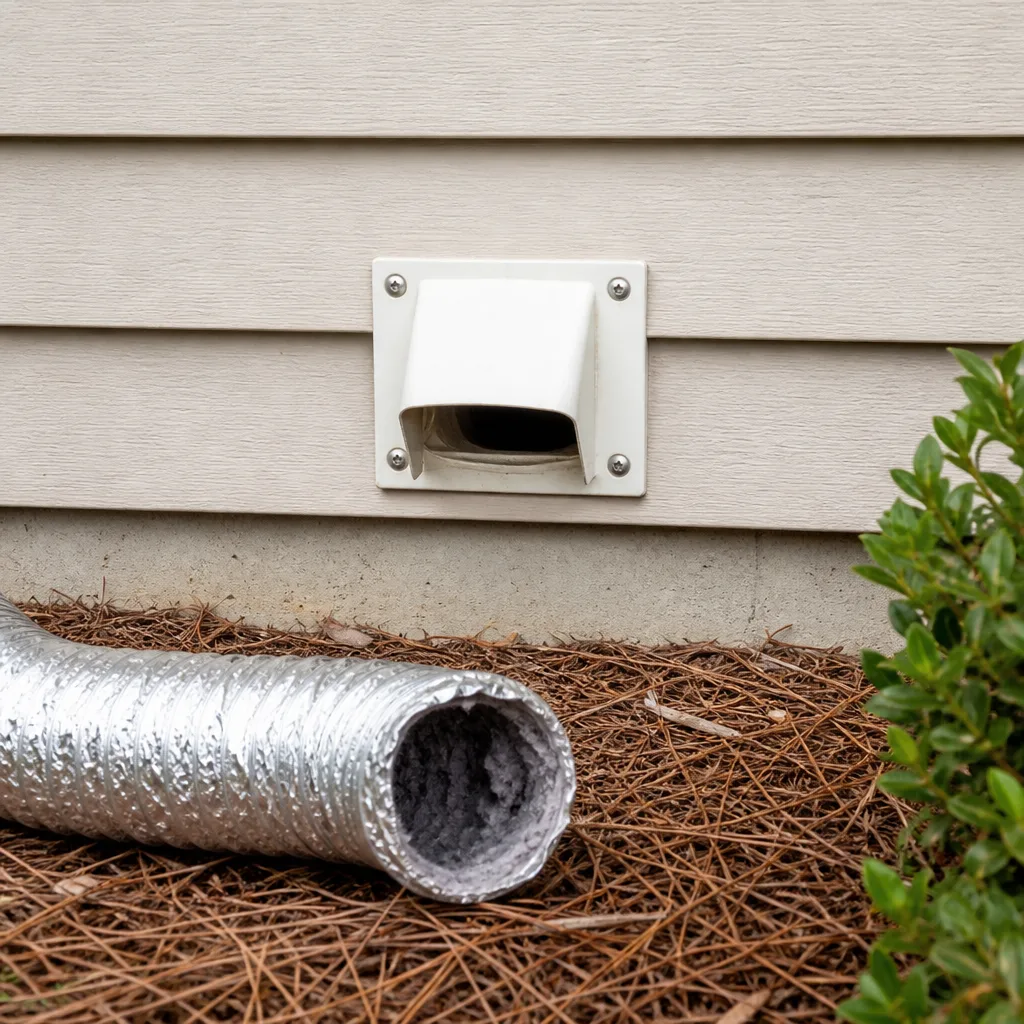 Dryer vent cleaning
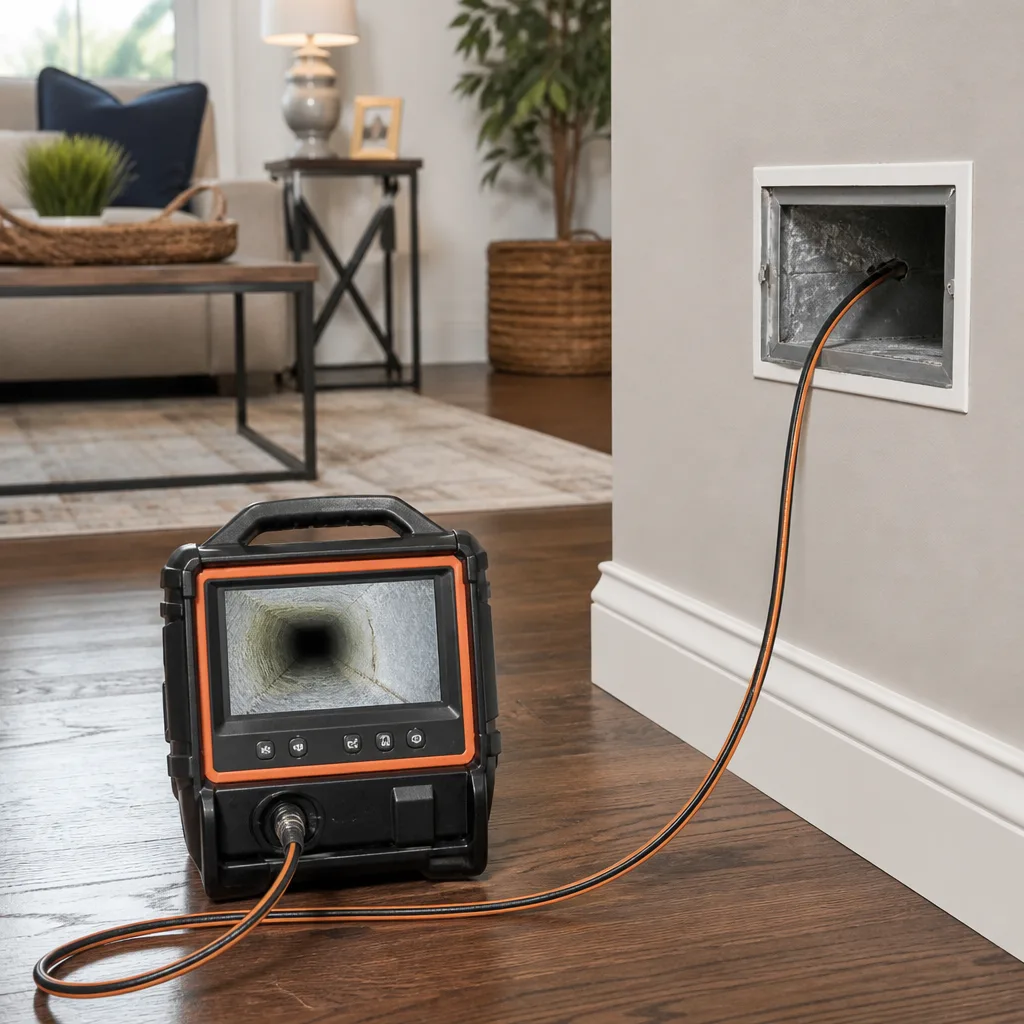 Camera inspection
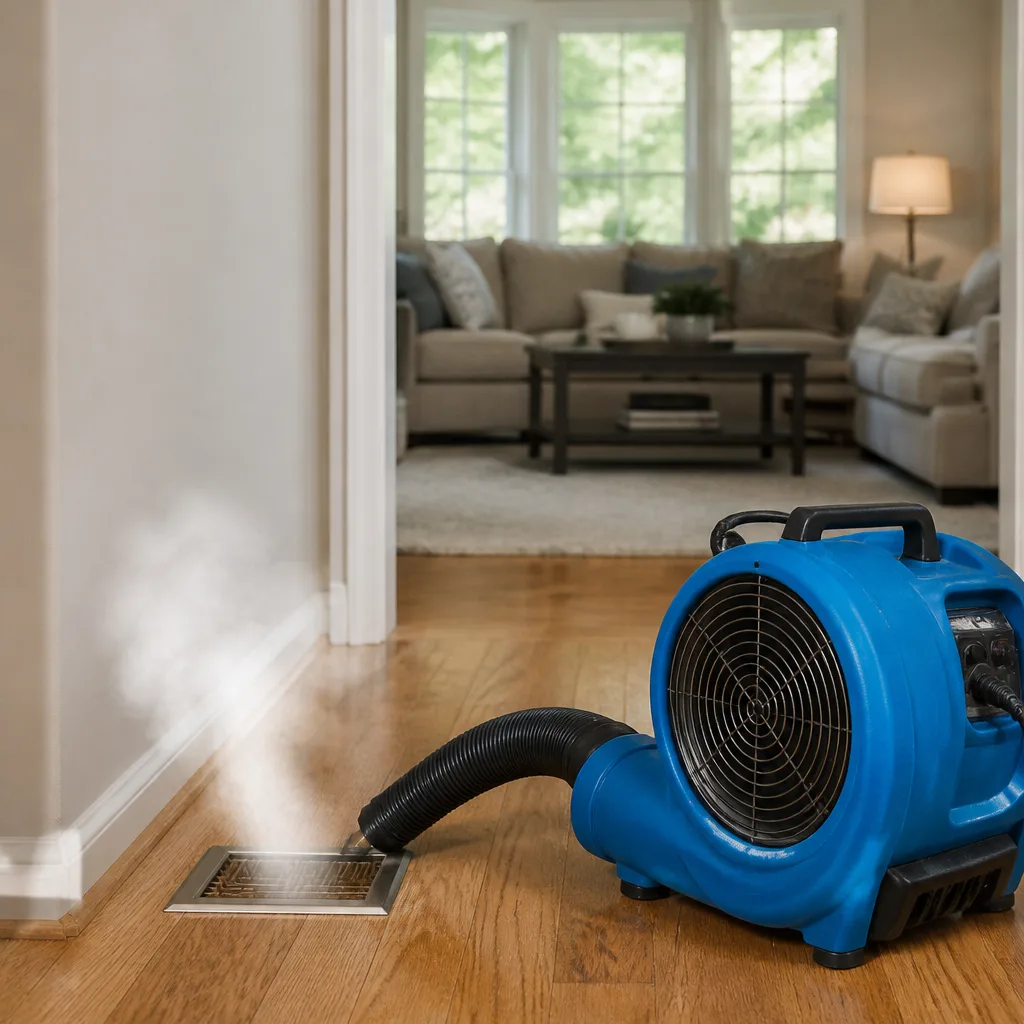 Sanitizing & deodorizing
Whole-system duct and dryer vent check with before-and-after photos - you see exactly what came out of your vents
That "$99 whole-house special" is a bait ad - the real number appears once they are in your hallway, or the "clean" is a shop-vac at the register. We photograph the inside of your ducts before and after instead.
DIY vs Professional Air Duct Cleaning: The West Covina Homeowner’s Decision Guide
A standard shop vac moves roughly 60 cubic feet of air per minute. A professional negative-air machine like the Nikro PG4000 moves 4,000 CFM. That 67x gap isn’t a marketing statistic; it’s the physics reason duct debris either stays glued to the duct wall or gets blown into your living space during a DIY attempt. This guide walks West Covina homeowners through what a weekend DIY effort can genuinely accomplish, what it cannot, and how to decide when Air Duct Cleaning by a professional matters. You’ll get real equipment numbers, honest pricing context, and a clear audit checklist so you’re never guessing about your own ducts.
Styles & brands we work with
Quick Answer
DIY air duct work in West Covina is limited to what you can reach with your hand or a standard vacuum: register covers, filter replacement, and visible grille-area debris. Professional cleaning is the only method that generates enough negative air pressure (typically 3,500 – 4,500 CFM from equipment like Nikro or Abatement Technologies units) to dislodge and capture debris from the full duct run, as detailed in our Dryer Vent Cleaning Maintenance Checklist for West Covina Homeowners. For most West Covina homes, a professional whole-system cleaning costs $350 – $650, while a DIY attempt that blows debris into your air handler can create $800 – $2,500 in repair work.
Table of Contents
- The Physics Problem: Why Your Shop Vac Can’t Clean Ducts
- What DIY Can Legitimately Accomplish
- What Professionals Do That You Cannot
- The Real Cost Comparison in West Covina
- The Hidden DIY Cost: When Loose Debris Becomes a Repair Bill
- Three Scenarios Where Professional Cleaning Is Non-Negotiable
- How to Audit Any Duct Cleaning Job (DIY or Hired)
- Common Mistakes to Avoid
- When to Call a Professional
- Frequently Asked Questions
- The Bottom Line
The Physics Problem: Why Your Shop Vac Can’t Clean Ducts
Air duct cleaning is not about suction alone. It’s about airflow volume measured in cubic feet per minute (CFM) and static pressure measured in inches of water lift. Together, these two numbers determine whether debris detaches from a duct wall and travels all the way to a collection point, or whether it simply shifts a few inches and settles back down.
A typical homeowner shop vac produces 50 – 100 CFM and about 40 – 60 inches of static pressure. It’s built for spills, sawdust, and garage floors. When you attach a long hose and shove it into ductwork, the effective airflow drops significantly because the hose constricts the air column. By the time that air reaches 10 or 15 feet down a duct run, the velocity has fallen below the threshold needed to lift settled dust, pet hair, or construction debris off the surface.
Professional negative-air machines, by contrast, connect directly to the duct system and pull air through the entire run at 3,500 – 4,500 CFM. The Nikro PG4000 generates 4,000 CFM. Abatement Technologies HEPA units operate in a similar range. At those airflow rates, the air velocity inside the duct is high enough to overcome the static friction holding debris in place. The system is sealed so that all loosened material is carried to a HEPA-filtered collection chamber rather than escaping into the home.
This is the point most DIY articles miss. It’s not that a shop vac is “too weak” in a vague sense. It’s that consumer equipment cannot create negative pressure across the full duct system. Negative pressure is the sealed suction force that pulls air through every branch and return simultaneously, including the parts of the duct run you cannot see from the register opening.
Here in West Covina, where summer temperatures routinely hit the high 90s and air conditioning runs for six months straight, ducts accumulate fine dust at a steady rate. That dust bakes onto duct walls during hot attic conditions. A shop vac doesn’t remove baked-on particulate. It just disturbs the top layer.
What DIY Can Legitimately Accomplish
Let’s be direct about this: DIY air duct maintenance has real value in West Covina homes. It’s just not duct cleaning. Here’s what a careful homeowner can do on a Saturday that genuinely helps system performance and indoor air quality:
- Register and grille removal. Unscrew the visible vent covers throughout the home and wash them in warm soapy water. West Covina’s dry summers mean a fine layer of dust and pollen settles in the grille fins. Cleaning them restores airflow and makes the system look well-maintained. Do this twice a year.
- Visible debris around the register opening. Once the grille is off, use a damp microfiber cloth to wipe the inside of the opening as far as your hand can reach. You’ll typically clean the first 6 – 12 inches of the duct boot. That’s a legitimate improvement.
- Filter replacement. This is the highest-impact DIY task in all of HVAC maintenance. In West Covina, where wildfire smoke season and dust from the San Gabriel Valley foothills affect air quality, a pleated MERV 8 – 11 filter changed every 60 – 90 days makes a measurable difference. A clogged filter forces the blower motor to work harder, increases energy use, and shortens equipment life.
- Condensate drain line maintenance. Pour one cup of white vinegar into the condensate drain line every 90 days. This prevents algae growth in the drain, which is a common issue in West Covina’s warm season.
The essential safety note: Do not attempt to reach into ductwork with power tools, brushes, or blower attachments. Ducts in West Covina homes are often sheet metal with sharp edges, and deep reaches into return cavities can disturb fiberglass insulation that should not be disturbed. The moment you feel you’re “cleaning” a surface you cannot visually inspect, you’ve moved past DIY and into a risk zone.
What DIY does not accomplish is anything below the first visible foot of duct. The remaining 20, 40, or 80 feet of duct run in a typical West Covina home stays untouched. That’s not a matter of effort. It’s a matter of reach and air pressure.
What Professionals Do That You Cannot
Professional air duct cleaning in West Covina follows a process that starts with understanding the system layout. We walk the home, identify every supply and return, check the plenum, and inspect the air handler before any cleaning begins. That walkthrough matters because a duct system is not a series of tubes. It’s a closed loop with specific static pressure requirements, and a professional reads the system before touching it.
Here’s the professional process in plain terms:
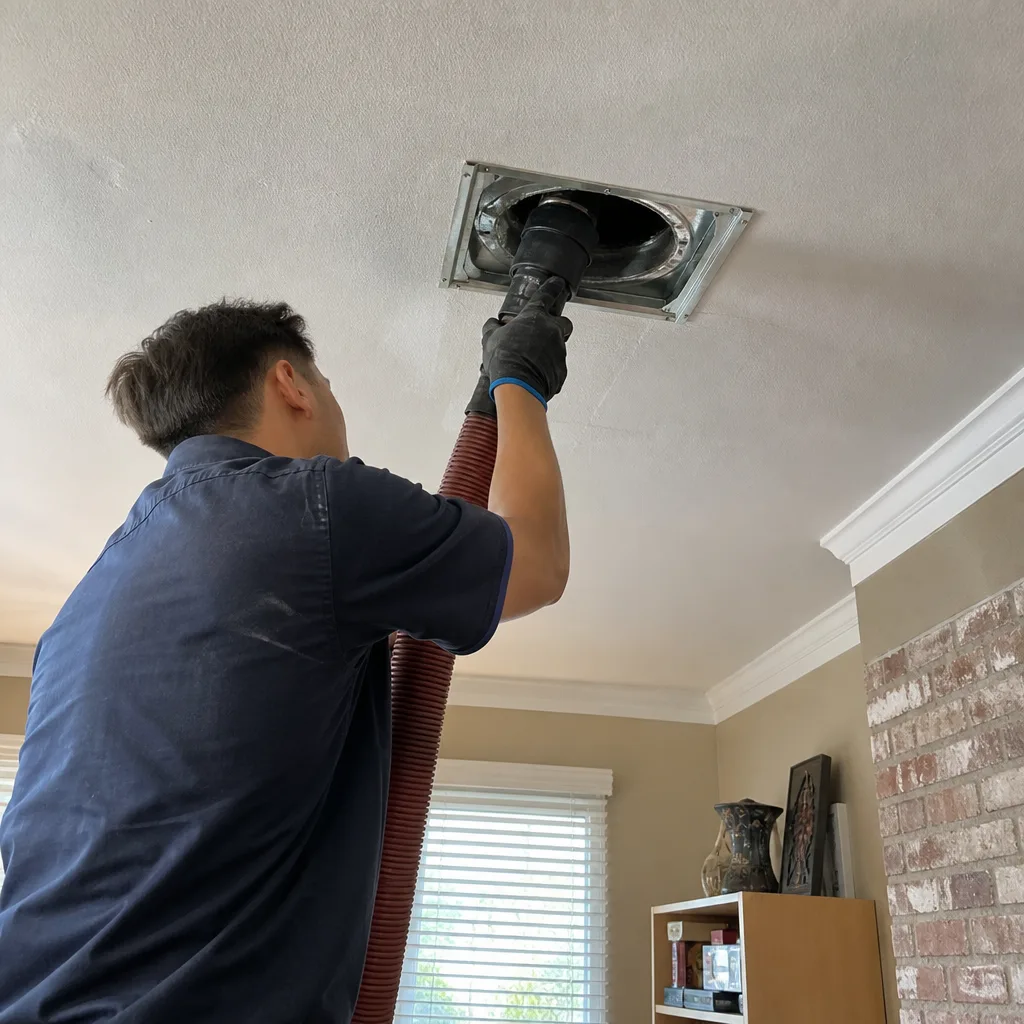
- Containment setup. A professional crew seals each register and creates negative pressure in the duct system using a HEPA-filtered negative-air machine. Abatement Technologies containment units are built for this purpose. The system is placed under continuous vacuum so that nothing loosened inside the ducts escapes into the living space.
- Agitation at the duct wall. This is where the Rotobrush system comes in. A rotating brush head travels through the duct run, physically breaking the bond between debris and the duct wall. In West Covina homes with 10 – 25 year old ductwork, that bond is significant: dust, pet hair, and construction residue compact over time.
- Negative-pressure extraction. As the brush dislodges material, the negative air machine pulls it immediately into a sealed collection system. This is called negative-pressure extraction and it means the loosened debris goes straight into the vacuum, not back into your living room.
- Air handler and coil inspection. The blower motor and evaporator coil are checked. If the coil is fouled with debris, it is documented and addressed. A fouled coil in a West Covina summer means the AC works harder to move the same amount of heat, and utility bills climb accordingly.
- Post-cleaning verification. Airflow is checked at each register. Before-and-after photos are taken at multiple points in the system. A written report documents what was found and what was done.
That final step is the one most homeowners undervalue until they’ve had a bad experience. Proof of work is not just documentation; it’s accountability. The Relay Standard booking experience that Cardinal Air Duct West Covina operates under exists precisely because of this industry’s history of vague assurances. A live trackable arrival time, before-and-after photo documentation, and a digital invoice payable by link are built into every job. You see what was done, not just a promise that it was done.
For more detail on full-system cleaning, see our Air Duct Cleaning in West Covina service guide.
The Real Cost Comparison in West Covina
Most standard whole-home air duct cleanings in West Covina run $350 – $650 for a typical single-family home with one HVAC system. That range covers containment setup, full duct agitation, negative-pressure extraction, and post-clean verification. Larger homes with multiple systems or complex duct layouts run higher. Smaller condos and townhomes run lower.
Compare that to the realistic DIY cost:
- A shop vac you already own: $0 marginal cost
- Register cleaning supplies: $15 – $25
- A pleated MERV 8 filter: $18 – $30
- Condensate line treatment: $5
- Total DIY outlay for a weekend of legitimate maintenance: $40 – $60
Now compare the scope. The $40 – $60 DIY path cleans what you can reach and changes the filter. It does not touch the duct runs. The $350 – $650 professional path cleans the full system and documents the work. They’re not competing services. One is maintenance; the other is cleaning.
The honest take for West Covina homeowners: do the DIY maintenance tasks on a regular schedule, and budget for professional cleaning every 3 – 5 years, or sooner if you renovate, move into a previously occupied home, or notice visible mold on registers. For help choosing a provider, see How to Hire a Air Duct Cleaning Contractor in West Covina: A Step-by-Step Guide.
If you’re also concerned about dryer vent buildup, we’ve written separately about Dryer Vent Cleaning in West Covina and why that task is never a DIY project.
The Hidden DIY Cost: When Loose Debris Becomes a Repair Bill
The most common DIY disaster we see in West Covina isn’t a failure to clean. It’s a partial loosening of debris that then travels into the air handler. Here’s the sequence:
- You insert a shop vac hose or a brush into a register opening. The vacuum creates enough agitation to dislodge dust and debris from the first few feet of the duct.
- The airflow is insufficient to carry all of that debris out. Some of it moves deeper into the duct. Some falls into the duct boot. Some becomes airborne and drifts toward the return side when the system restarts.
- The HVAC system cycles on. The blower motor draws airborne debris into the air handler. That debris lands on the evaporator coil, the blower wheel, or the drain pan.
- The coil fouls. A fouled evaporator coil reduces heat exchange efficiency by 20 – 40%. In a West Covina August, that means longer run times and higher bills. The coil may also freeze, which sends liquid refrigerant back toward the compressor and can destroy it.
- The drain line clogs. Debris that reaches the drain pan can clog the condensate line, causing water to back up and overflow. Water damage to the air handler cabinet or the surrounding drywall is a direct result.
The repair costs at the end of this sequence? An evaporator coil cleaning runs $200 – $500. A coil replacement runs $900 – $2,500. A compressor replacement runs $1,500 – $4,000. Those numbers dwarf the $350 – $650 professional cleaning fee that would have prevented the problem.
This is the hidden cost of DIY duct work, and it’s never mentioned in the “just do it yourself” videos. The risk isn’t wasted effort. The risk is creating a bigger problem than the one you set out to solve.
Three Scenarios Where Professional Cleaning Is Non-Negotiable
There are three situations where the DIY-versus-professional debate is settled before it starts. If any of these applies to your West Covina home, call a professional.
1. Post-renovation debris in the ducts
West Covina’s housing stock includes a large number of mid-century homes that see periodic remodeling. If you’ve recently renovated any room in the home, the duct system has been exposed to drywall dust, paint overspray, sawdust, and possibly insulation fibers. Drywall dust is particularly insidious: it’s fine enough to pass through a standard filter, abrasive enough to accelerate blower motor wear, and alkaline enough to irritate lungs. No consumer vacuum removes construction dust from a 40-foot duct run. This is a containment-and-extraction job.
2. Visible mold on registers or inside accessible duct
If you can see mold growth on a register, a grille, or the inside surface of a duct opening, this is not a cleaning task. It’s a contamination event. Mold inside ductwork requires professional assessment, often including antimicrobial treatment and source identification. West Covina’s semiarid climate keeps mold prevalence lower than coastal LA communities, but it still occurs, particularly in homes with condensation issues or past water intrusion. If you see black, green, or gray growth on any duct surface, close the register and call a professional. Do not disturb the growth with a vacuum or brush. Disturbing mold releases spores into the air you breathe.
3. Home purchase with unknown HVAC history
When you buy a home in West Covina, you inherit whatever the previous owners left in the ducts. That includes pet hair from animals you’ve never met, dust from renovations you didn’t perform, and potentially years of neglected filter changes. A professional air duct cleaning at move-in establishes a clean baseline. You know the system’s condition, you see the before-and-after photos, and you’re not wondering what you’re breathing during your first month in the home.
For a complete overview of HVAC system care in our city, see our HVAC Cleaning in West Covina resource.
How to Audit Any Duct Cleaning Job (DIY or Hired)
Whether you do the maintenance work yourself or hire it out, the same audit standard applies. Here’s how to verify that work was actually done.
The DIY self-audit
- Register inspection before and after. Photograph each register before you start. After cleaning, compare. The grille fins should be visibly clean and the opening should be free of visible debris as far as you can see.
- Airflow test at each register. Hold a piece of tissue paper at the register while the system runs. It should flutter consistently. A weak or absent flutter after cleaning suggests an airflow obstruction somewhere in the system.
- Filter check. Mark the install date on the filter with a permanent marker. Set a phone reminder for 60 – 90 days. If you find yourself changing filters more often than every 60 days because they’re black with dust, the ducts themselves are likely carrying a heavy debris load.
- Gap inspection. With the grille off, run your hand gently along the seam where the duct boot meets the wall or floor. If you feel a gap between the boot and the drywall opening, air is leaking into the wall cavity or the attic. That gap should be sealed with mastic or foil tape, not duct tape.
The professional job audit
- Before-and-after photos at multiple points. A legitimate professional documents the interior of the ducts before and after cleaning. Not one photo. Multiple photos from different registers and the main trunk line. Cardinal’s Relay Visibility Guarantee includes before-and-after photo documentation as a standard deliverable, not an optional add-on.
- Written price before work starts. The price is written down and handed to you before a single duct is touched. It does not change at the door. No legitimate professional discovers a surprise surcharge after the fact. If the price can change once the technician is inside, you’re not getting a quote; you’re getting an opening negotiation.
- Airflow measured at registers after cleaning. A post-clean airflow check confirms the system is moving air as designed. If airflow is weaker after the cleaning than before, something went wrong and the job is not complete.
- Written report with findings. You should receive a documented summary: what was found, what was cleaned, what was observed about the air handler and coil, and any recommended follow-up work.
The reason we emphasize this audit so strongly is simple: in West Covina’s competitive home services market, the difference between a $350 duct cleaning and a $350 disappointment is documentation. You should never have to take anyone’s word for work done inside walls you cannot see into.
Common Mistakes to Avoid
- Sticking a leaf blower into a register. This is the worst idea in DIY duct work. A leaf blower generates strong airflow but no containment. It blasts debris out of the register and into the living space, or worse, deeper into the duct system. In West Covina’s older ranch homes with branch-style layouts, a leaf blower just relocates debris from one part of the system to another.
- Using a shop vac without a HEPA filter. A standard shop vac filter captures coarse debris but exhausts fine particulate back into the room. If you’re vacuuming inside a duct, you’re generating fine dust that recirculates through the air you breathe.
- Ignoring the return side. Many DIYers focus on supply registers and forget that the return ducts pull air from the home into the system. Return ducts carry the same dust load. Neglecting them means the system pulls dirty air back through the freshly cleaned supply side.
- Sealing registers with duct tape. Duct tape fails in the heat of a West Covina attic within a season. It dries, cracks, and peels. The correct sealing material is mastic or UL-listed foil tape. This is a permanent repair task, not a temporary fix.
- Over-treating with chemical “duct fresheners.” Spraying air freshener or deodorizer into the ducts doesn’t clean anything. It masks odor with fragrance, and the residue can attract dust. If your ducts smell, the smell has a source. Find the source.
- Skipping the post-work filter change. After any duct cleaning, professional or DIY, the filter should be replaced. The cleaning process loosens particulate that the filter then captures. Put a fresh filter in after the work is done.
- Assuming one cleaning fixes everything forever. Duct cleaning is a reset, not a permanent cure. In West Covina, with AC season dust, wildfire smoke events, and routine household particulate, the system collects new debris continuously. Regular filter changes and periodic cleaning are ongoing maintenance.
When to Call a Professional
If you’ve read this far and are still weighing the decision, here’s the honest guidance: the DIY maintenance tasks are worth doing, and the deep cleaning is worth hiring. The line between them is whether the work requires equipment that generates negative pressure across the full duct system. For anything beyond the visible first foot of duct, that answer is yes, and no consumer equipment qualifies.
Cardinal Air Duct West Covina offers free estimates for full-system air duct cleaning throughout West Covina. We’re the air duct specialist of the Relay Home Co. family, founded 2005, and every job operates under The Relay Visibility Guarantee: a live trackable arrival time, before-and-after photo proof, and a written price before work begins. You can reach us at (424) 688-1845. A live person answers. You’ll know the cost before anyone touches your ducts.
Start with the DIY guide above and our Cardinal Air Duct West Covina home page for a full picture of the services available.
Frequently Asked Questions
Professional air duct cleaning in West Covina typically runs $350 – $650 for a standard single-family home with one HVAC system. Condos and townhomes run lower; larger homes with multiple systems or complex duct layouts run higher. The price includes full containment, agitation, negative-pressure extraction, and post-clean verification. Call Cardinal Air Duct West Covina at (424) 688-1845 for a written, no-surprise estimate for your home.
No. A shop vac produces 50 – 100 CFM of airflow, which is far below the 3,500 – 4,500 CFM professional negative-air machines generate. The DIY result is cleaning only what you can reach inside the register opening, usually the first 6 – 12 inches. That’s legitimate maintenance, but it’s not duct cleaning.
Every 3 – 5 years for most West Covina homes, with more frequent cleaning recommended if you have pets that shed heavily, renovate the home, or purchase a previously occupied home with unknown HVAC history. Homes near the San Gabriel foothills that experience heavier dust exposure may benefit from cleaning at the shorter end of that range.
A legitimate professional uses negative-air machines (typically Nikro or Abatement Technologies units generating 3,500 – 4,500 CFM), rotary brush agitation systems (like Rotobrush), HEPA filtration, and containment equipment. Cardinal Air Duct West Covina operates professional-grade equipment, not truck-mounted shop vacs.
Require before-and-after photos taken inside the ducts at multiple points, a written price before work starts, and a post-clean airflow check at each register. The Relay Visibility Guarantee that Cardinal Air Duct West Covina operates under includes before-and-after photo documentation and a digital invoice as standard deliverables on every job.
It can be, for two reasons. First, sheet metal ducts have sharp edges that can cut exposed skin. Second, disturbing mold inside ducts without proper containment releases spores into the air you breathe. If you see mold in or around your registers, close the register and call a professional before touching anything.
The Bottom Line
The DIY-versus-professional duct cleaning decision in West Covina isn’t about effort. It’s about equipment physics. Consumer vacuums cannot generate the negative air pressure needed to clean duct walls, so DIY work is limited to register maintenance and filter care. That maintenance has real value and every West Covina homeowner should do it. But the full duct system needs professional equipment, professional containment, and professional documentation. When you hire for that work, hire with a standard: written price before work begins, before-and-after photos of your own ducts, and a live person you can reach by phone. That’s the standard we operate by at Cardinal Air Duct West Covina. For more guides & resources, visit our blog.
Written by Omar Haddad, Owner at Cardinal Air Duct West Covina, serving West Covina since 2005.
See the difference
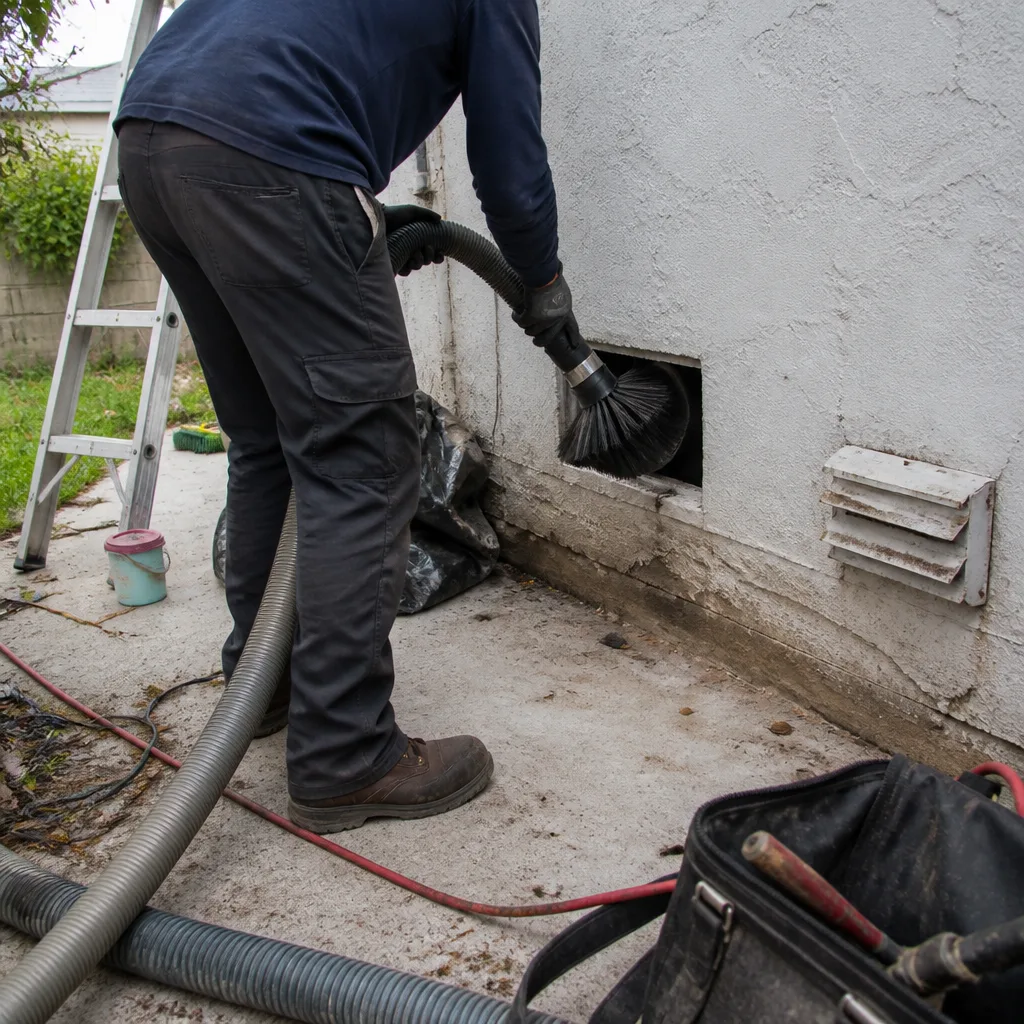 Before
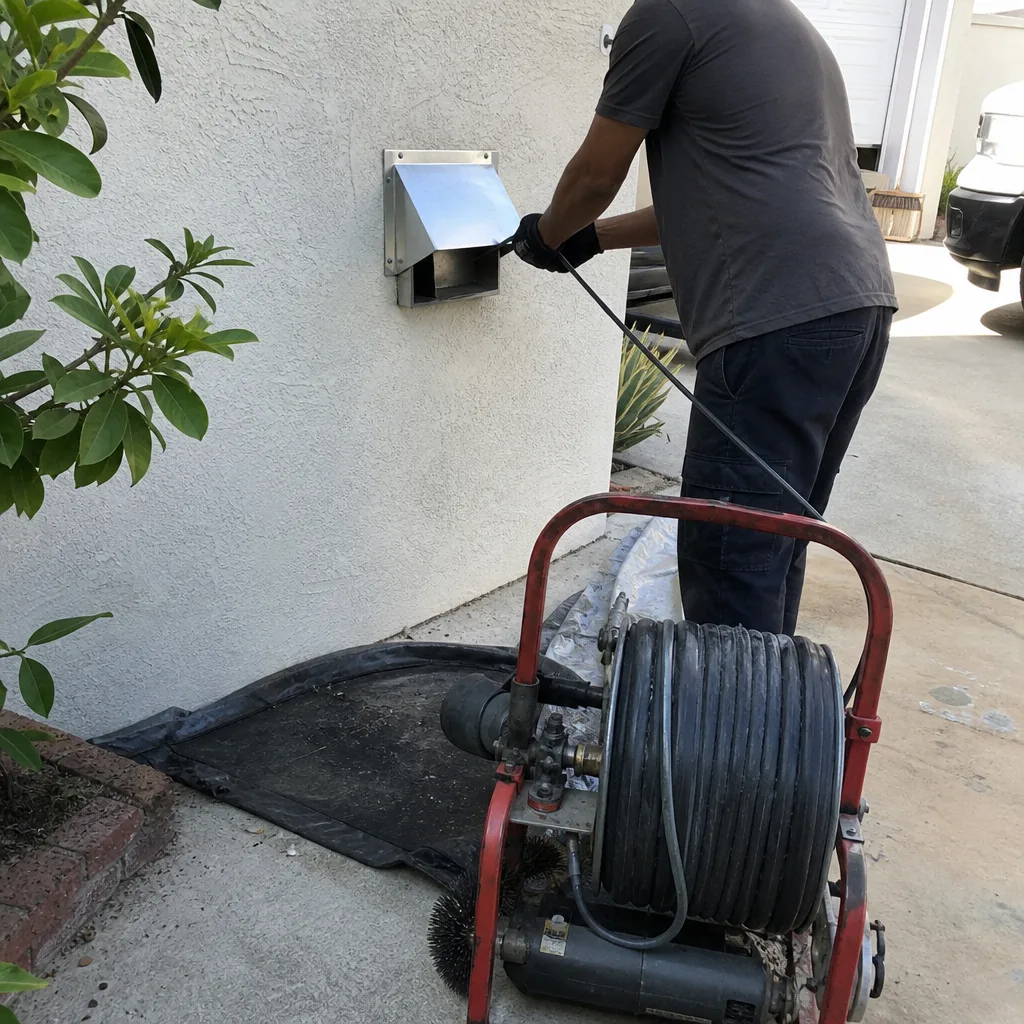 After
After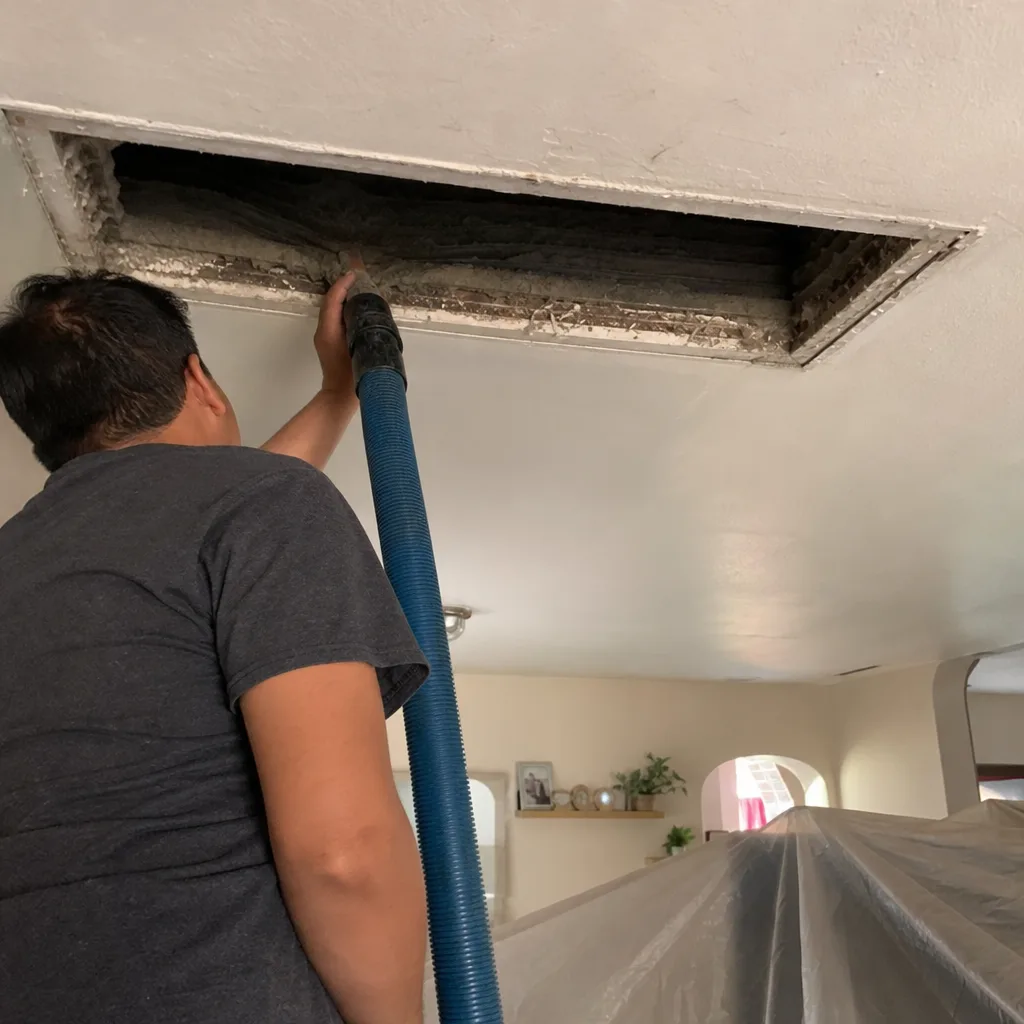 Before
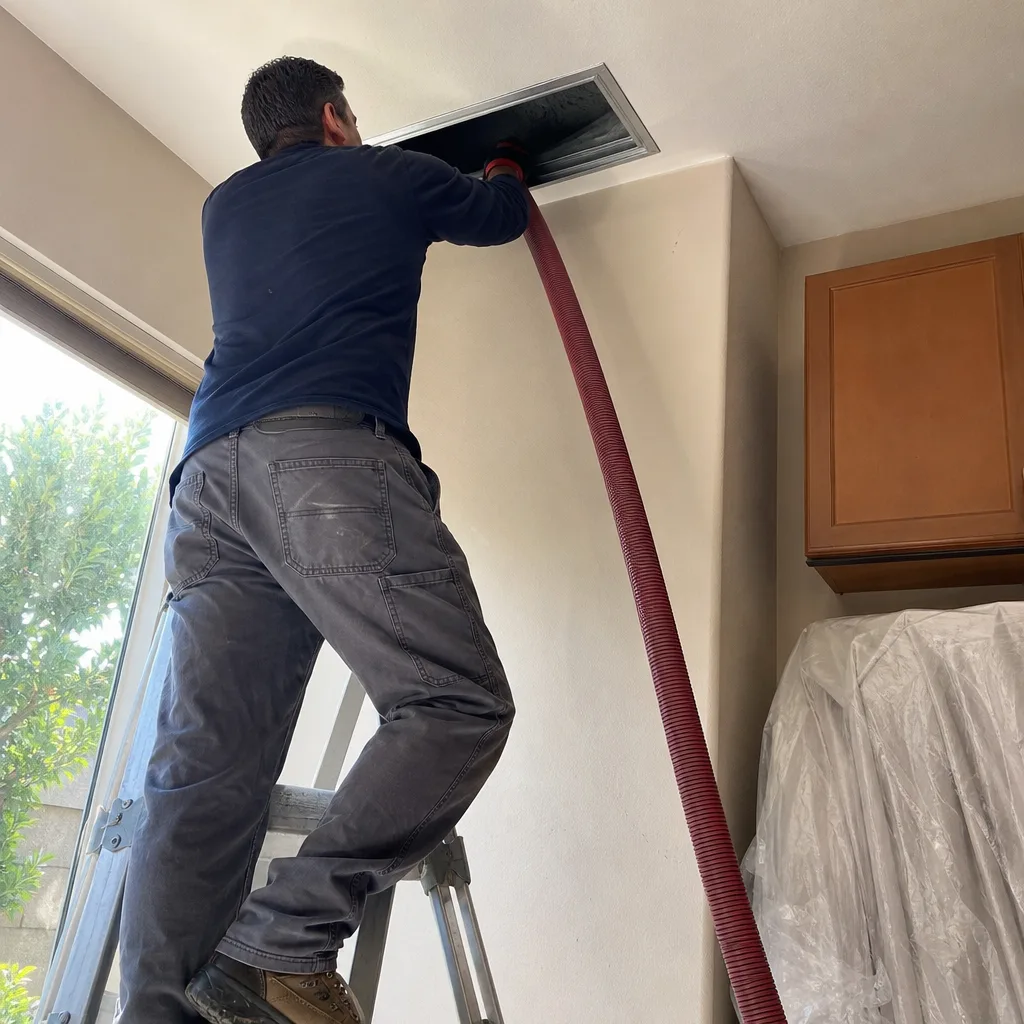 After
After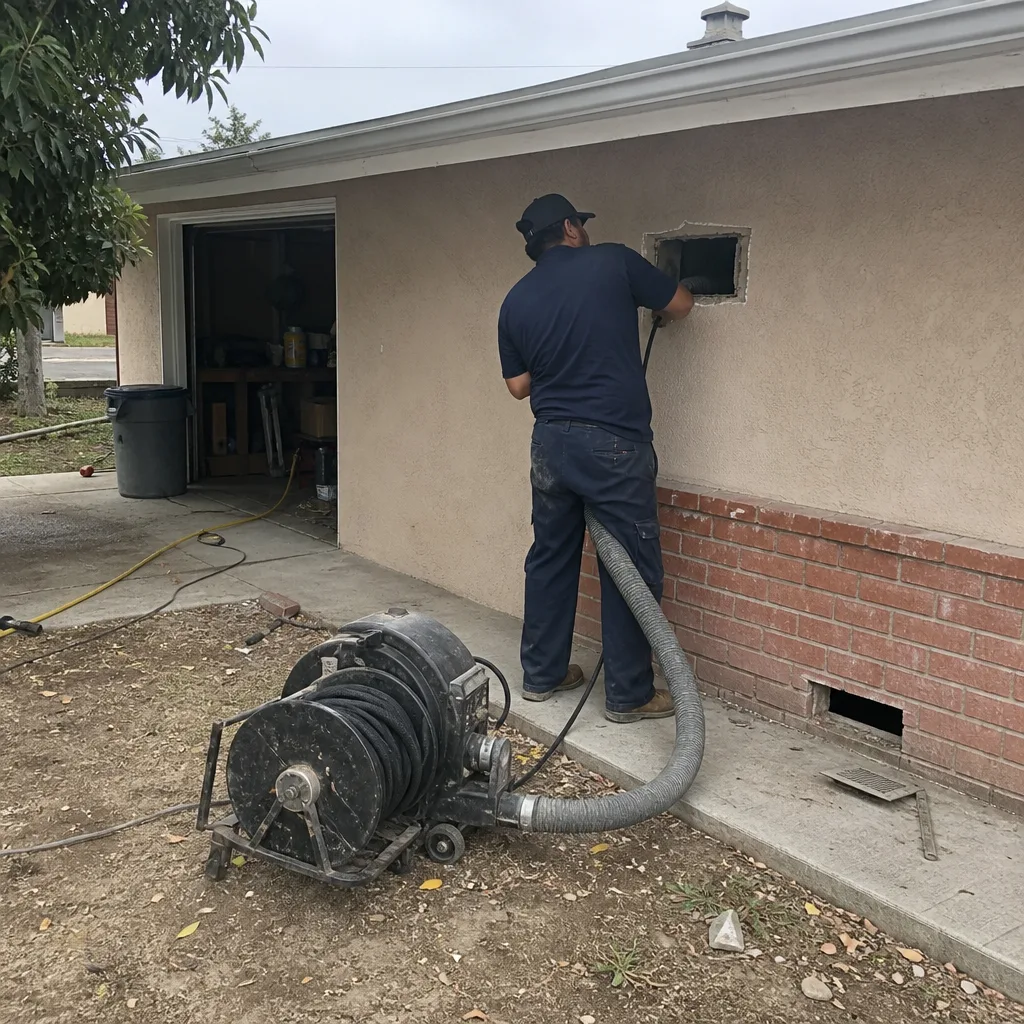 Before
 After
After