
Last updated October 15, 2026
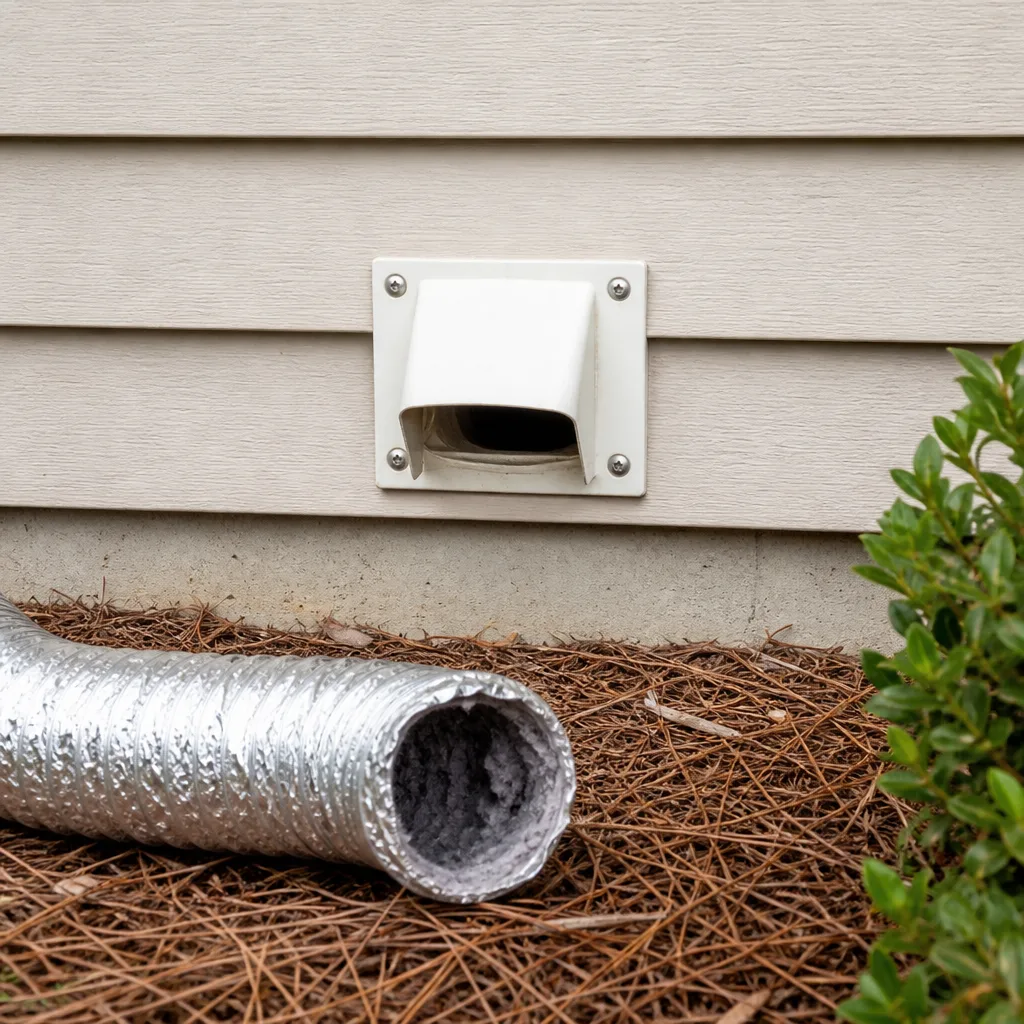 Dryer vent cleaning
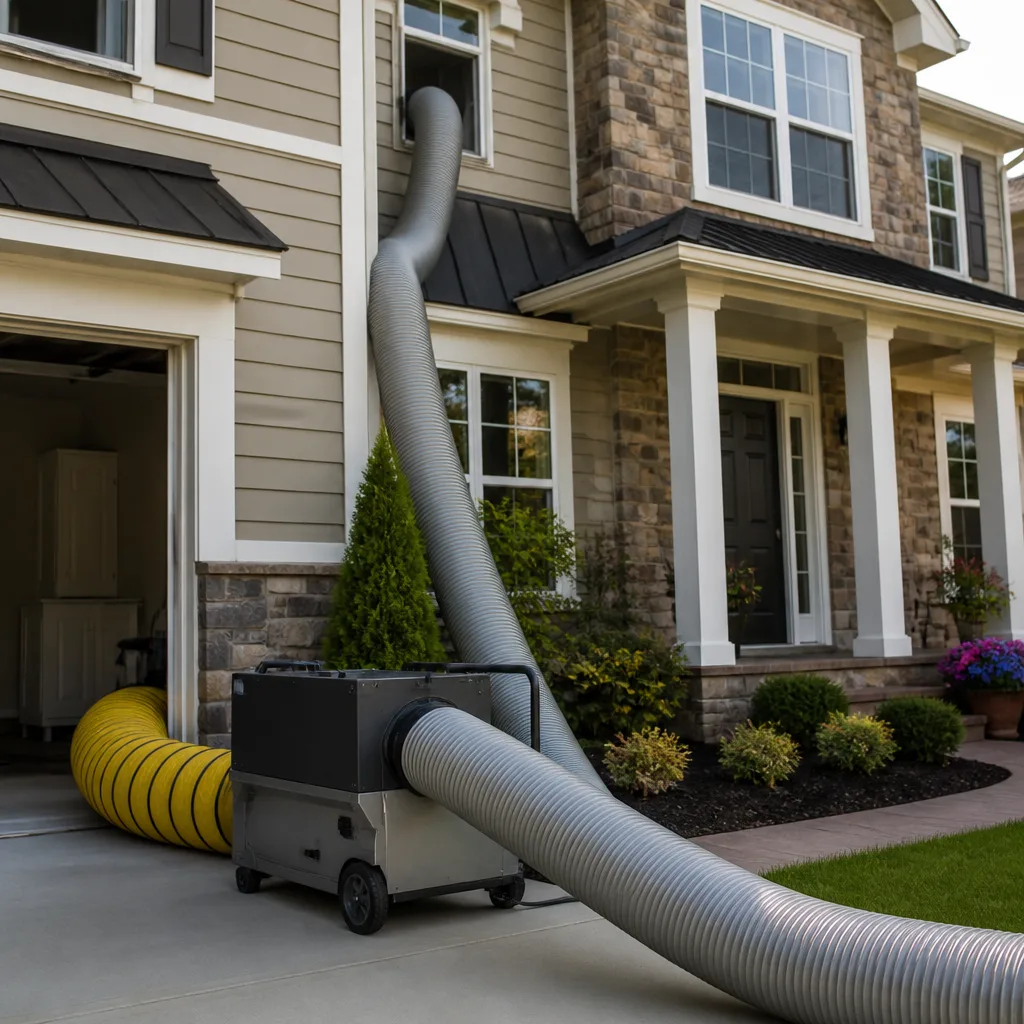 Whole-home duct cleaning
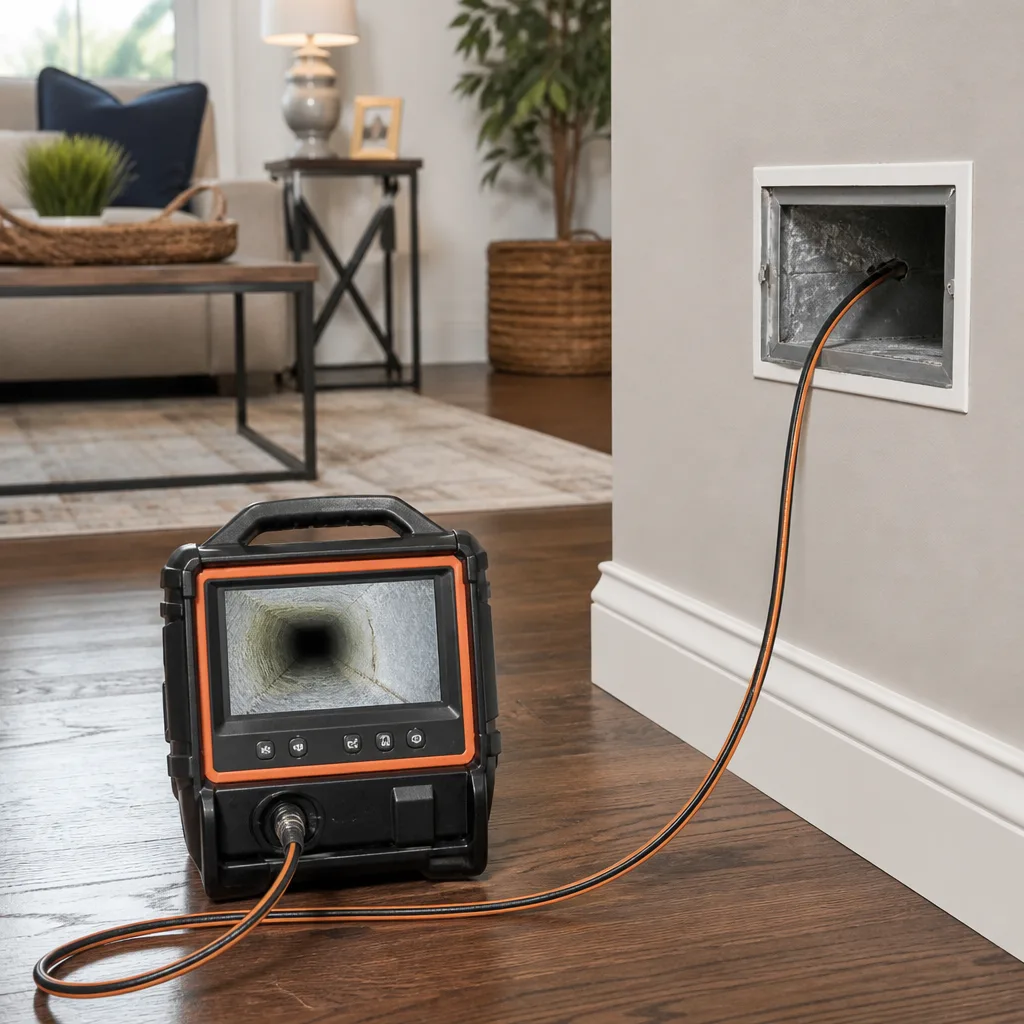 Camera inspection
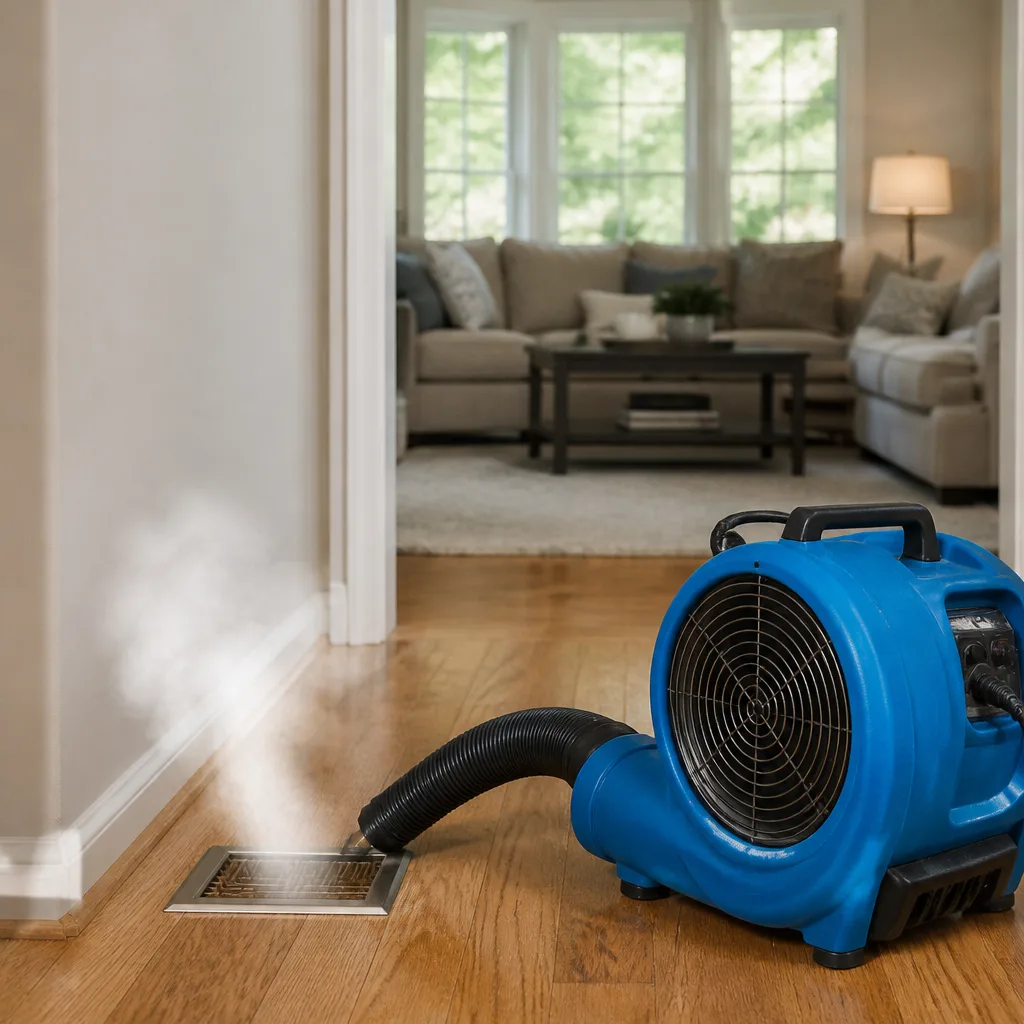 Sanitizing & deodorizing
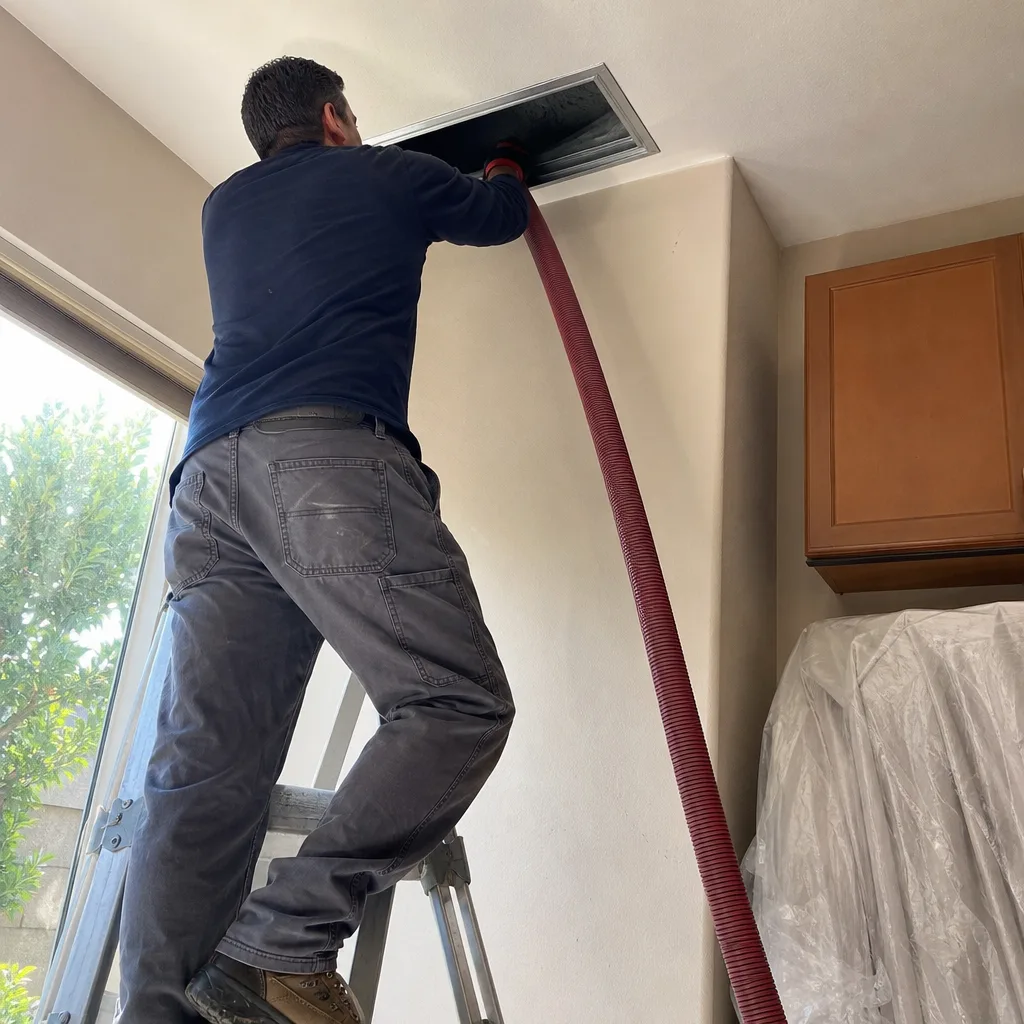
Whole-system duct and dryer vent check with before-and-after photos - you see exactly what came out of your vents
That "$99 whole-house special" is a bait ad - the real number appears once they are in your hallway, or the "clean" is a shop-vac at the register. We photograph the inside of your ducts before and after instead.
Dryer Vent Cleaning Maintenance Checklist for West Covina Homeowners
The U.S. Fire Administration attributes roughly 2,900 home dryer fires every year to neglected vent cleaning. But here’s what rarely gets said: those fires don’t strike randomly. They cluster in homes with specific duct layouts, the kind built all over West Covina during the 1960s through 1980s housing boom. Long horizontal runs. Corrugated plastic flex duct. Rooftop terminations that nobody thinks about until smoke rolls out of them. This checklist gives you a concrete monthly, quarterly, and annual inspection routine based on your home’s actual vent configuration, so you can spot the geometry problem before it becomes a fire problem.
Quick Answer
Dryer vent cleaning in West Covina requires three levels of attention: a monthly at-home check of the lint trap and exterior cap, a quarterly inspection of airflow and warning signs like drying times stretching past 45 minutes, and an annual professional Dryer Vent Cleaning service that clears the full duct run with a rotary brush system and verifies airflow with an inline anemometer. Homes with rooftop terminations, plastic flex duct, or vent runs longer than 15 feet need professional service annually without exception. Keep a dated photo log of every check; it documents maintenance for insurance and escrow purposes.
Styles & brands we work with
Table of Contents
- Why West Covina Homes Are Built for Dryer Vent Problems
- Know Your Vent Geometry: Side-Wall, Rooftop, or Crawlspace
- The Monthly Homeowner Checklist
- The Quarterly Safety Inspection
- What Annual Professional Cleaning Actually Involves
- The Plastic Flex Duct Problem in Pre-1990 West Covina Homes
- Warning Signs That Demand Immediate Attention
- How to Log Maintenance for Insurance and Escrow
Why West Covina Homes Are Built for Dryer Vent Problems
Dryer fires are a maintenance failure, not a freak accident. That’s the framing most articles miss. The homes that burn share predictable duct configurations, and West Covina has thousands of them. Builders in the 1960s through 1980s ran dryer vents the cheap way: flexible plastic duct snaked through wall cavities, long horizontal stretches to reach an exterior wall, and in a surprising number of ranch-style homes, vertical runs that terminate on the roof.
Each of those choices adds friction. Airflow drops. Lint that should blow outside settles inside the duct instead. Over months, that lint compacts into a dense, fibrous plug that holds heat like insulation. The dryer’s heating element keeps cycling. The high-limit thermostat, which is supposed to shut things down when temperatures spike, gets overwhelmed when airflow is restricted enough. At that point, one spark from static buildup or a failing element is all it takes.
In our work across West Covina, we see a clear pattern: homes in neighborhoods like South Hills and the older sections north of the 10 freeway tend to have the longest vent runs and the most plastic flex duct still in service. That’s not a knock on those neighborhoods. It’s just what the building era produced. The good news is that identifying your vent configuration takes five minutes, and the checklist below shows you exactly what to look for.
Know Your Vent Geometry: Side-Wall, Rooftop, or Crawlspace
Before you can maintain your dryer vent properly, you need to know what kind of vent you have. Walk outside while the dryer is running and listen. Track the warm, humid exhaust to its exit point. Most West Covina homes fall into one of three categories.
Side-Wall Termination (Easiest to Maintain)
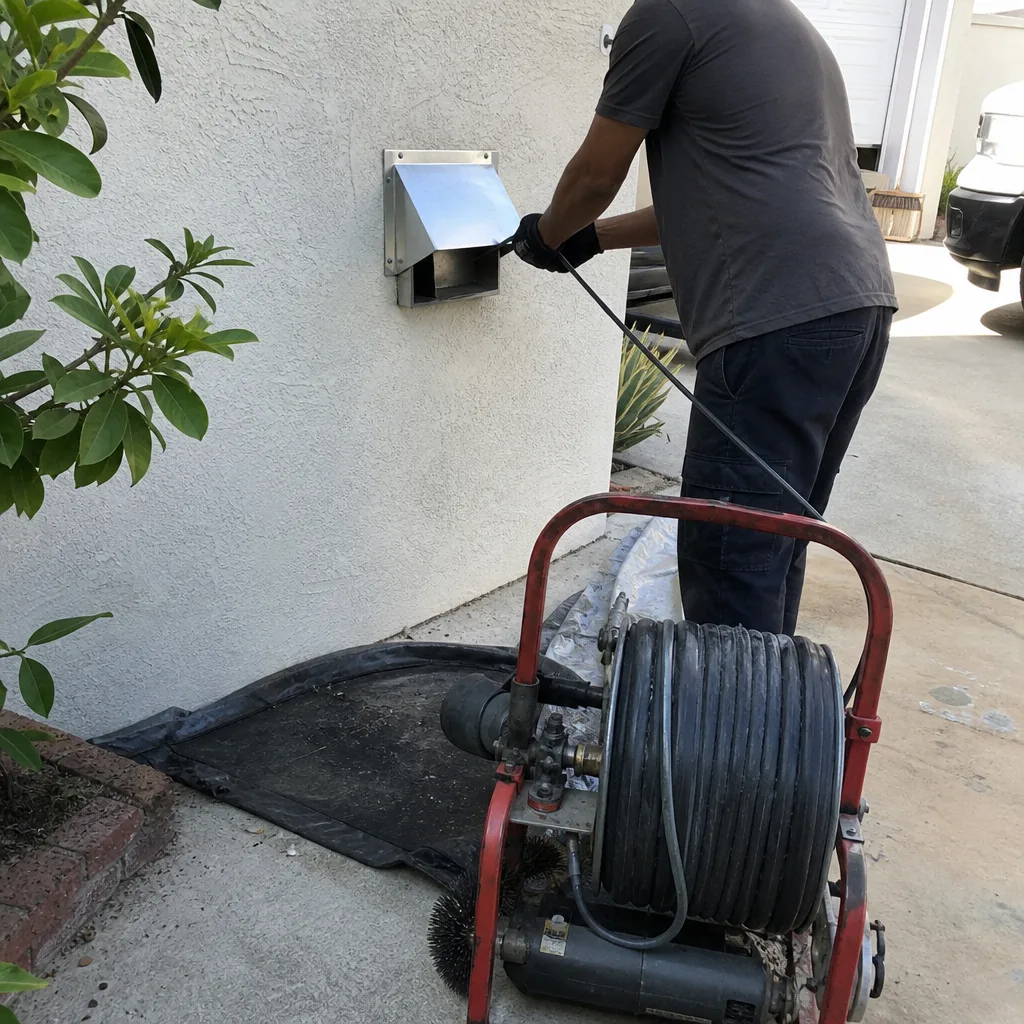
The vent exits through an exterior wall, usually within 6 to 10 feet of the dryer. You’ll see a louvered cap or a hooded flap on the outside wall. These are the most forgiving vents to maintain because the run is short, the cap is accessible, and a homeowner can visually confirm the flap opens fully during operation. A side-wall cap that flaps open freely and moves a full sheet of paper from a foot away is passing the basic airflow test.
Rooftop Termination (Needs Professional Attention)
In many West Covina ranch-style homes, the dryer vents straight up through the attic and out a roof cap. From the outside, it looks like a small metal chimney or louvered box poking through the shingles. These vents are trouble for two reasons. First, the vertical run fights gravity, and any lint that makes it past the dryer’s internal filter has to travel upward where condensation in the cooler attic air makes it stick to duct walls. Second, rooftop caps are hard to inspect safely from the ground, and most homeowners never do. We recommend annual professional cleaning for any rooftop termination, with an airflow measurement each time.
Crawlspace Termination (The Hidden Problem)
A less common but very real West Covina configuration runs the duct down through the floor and out a foundation vent or side vent under the house. The problem here is visibility: you rarely see the cap, so a stuck flap or a tear in the duct goes unnoticed for years. If your dryer sits on an interior wall and you’ve never found an exterior cap, there’s a good chance the vent runs through a crawlspace. These need a professional camera inspection at least once, because the entire run is out of sight.
If you’re unsure what kind of vent you have, check our guide to Dryer Vent Cleaning in West Covina for photos and diagrams of each termination type.
The Monthly Homeowner Checklist
Monthly maintenance is about catching small problems before they compound. None of these steps takes more than ten minutes combined, and together they keep you aware of how your dryer behaves in its normal state. When something changes, you’ll notice.
- Clean the lint screen before every load. This is non-negotiable. Run it under water once a month: fabric softener leaves an invisible film that blocks airflow even when the screen looks clean. If water beads on the screen instead of passing through, scrub it with warm soapy water and a nylon brush.
- Check the exterior cap while the dryer runs. Walk outside and confirm the flap opens fully and stays open during the cycle. A flap that opens halfway or flutters weakly means the exhaust pressure is too low, usually from a clog forming deeper in the run.
- Feel the top of the dryer after a full load. A properly vented dryer should feel warm, not hot. If the top surface is uncomfortable to hold your palm against for five seconds, airflow is restricted.
- Look behind the dryer. Pull the machine out gently and check for kinked ductwork, crushed sections, or lint accumulation at the connection point. A duct that’s pinched between the dryer and the wall cuts airflow dramatically.
- Take a photo of the lint filter and exterior cap. This goes in your maintenance log. Thirty seconds of documentation builds a dated record for insurance and future escrow.
These five steps form the baseline. If everything looks and sounds normal, you’re in good shape. If anything is off, move to the quarterly inspection below sooner rather than later.
The Quarterly Safety Inspection
Once every three months, spend fifteen minutes on the deeper checks. This is where you catch the warning signs that a clog is forming but hasn’t yet become a fire hazard or killed your dryer’s efficiency.
- Time a full load. A normal load of towels should dry in 40 minutes or less. If the same load now takes 50 or 60 minutes, that’s not the dryer getting old. That’s restricted airflow. The U.S. Fire Administration and most dryer manufacturers agree: a drying time over 45 minutes is a red flag.
- Check the exterior cap thoroughly. With the dryer off, look at the flap. It should close fully under its own weight. A flap that hangs open lets cold air, moisture, and pests into the duct. In West Covina’s dry summers, open caps also invite dust and debris accumulation at the termination point.
- Vacuum the area behind and under the dryer. Lint that escapes the connection point gathers in a thick mat behind the machine. That’s fuel sitting next to a heat source. A narrow vacuum attachment gets most of it.
- Test the airflow with a sheet of paper. Hold a sheet of copy paper six inches from the exterior cap while the dryer runs on high heat. The paper should be pushed firmly away and flutter strongly. If it moves weakly or not at all, the vent needs professional clearing.
- Inspect the visible duct material. If you can see white or silver plastic flex duct anywhere in the run, schedule replacement. California’s current mechanical code requires rigid metal duct for dryer exhaust. More on that below.
If your quarterly inspection turns up any of the warning signs in the section below, stop using the dryer for full loads and get the vent serviced. The appliance isn’t the problem; the exhaust path is.
What Annual Professional Cleaning Actually Involves
There’s a persistent idea that you can clean a dryer vent adequately with a shop-vac and a DIY brush kit. For a very short, straight side-wall vent, that may be enough. For most West Covina homes with longer runs, the tools don’t reach, the brush doesn’t spin, and the vacuum can’t get past the first bend. Here’s what professional equipment does differently.
Rotary Brush Systems
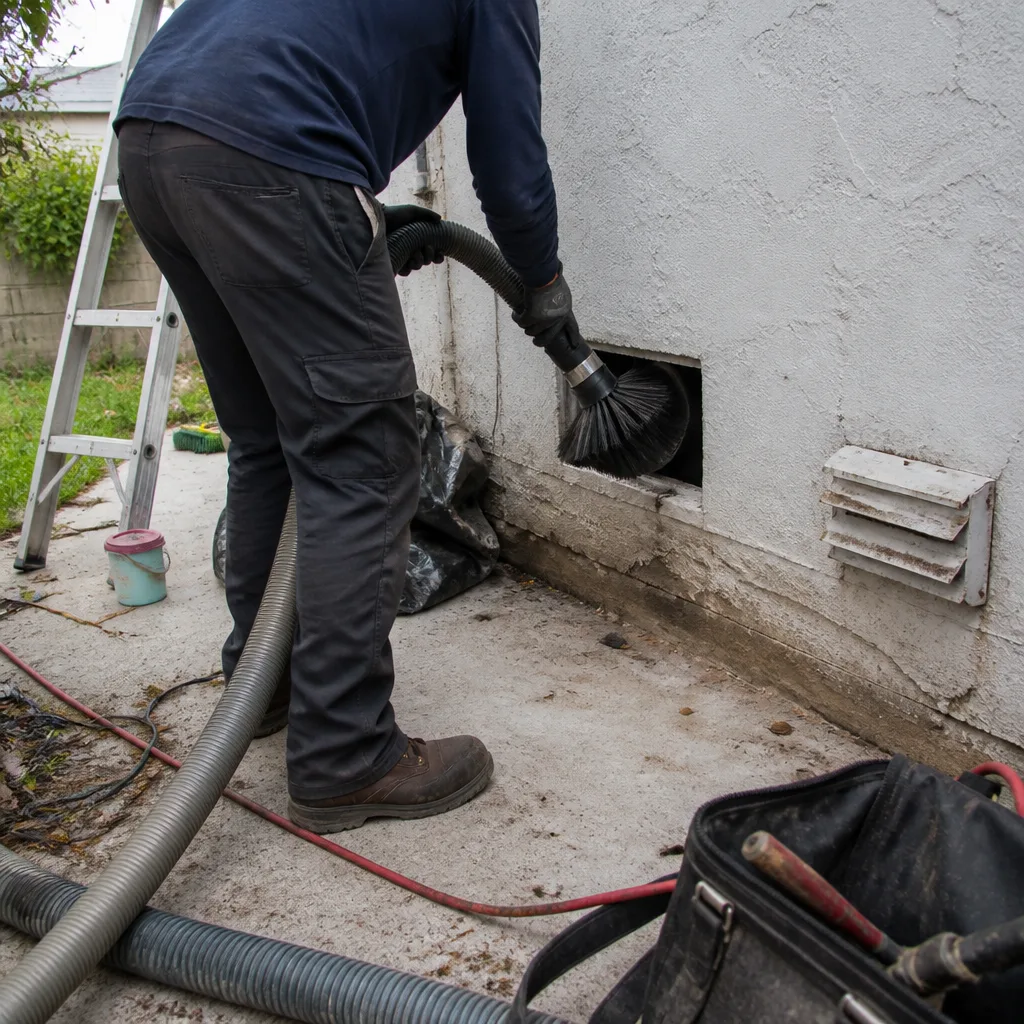
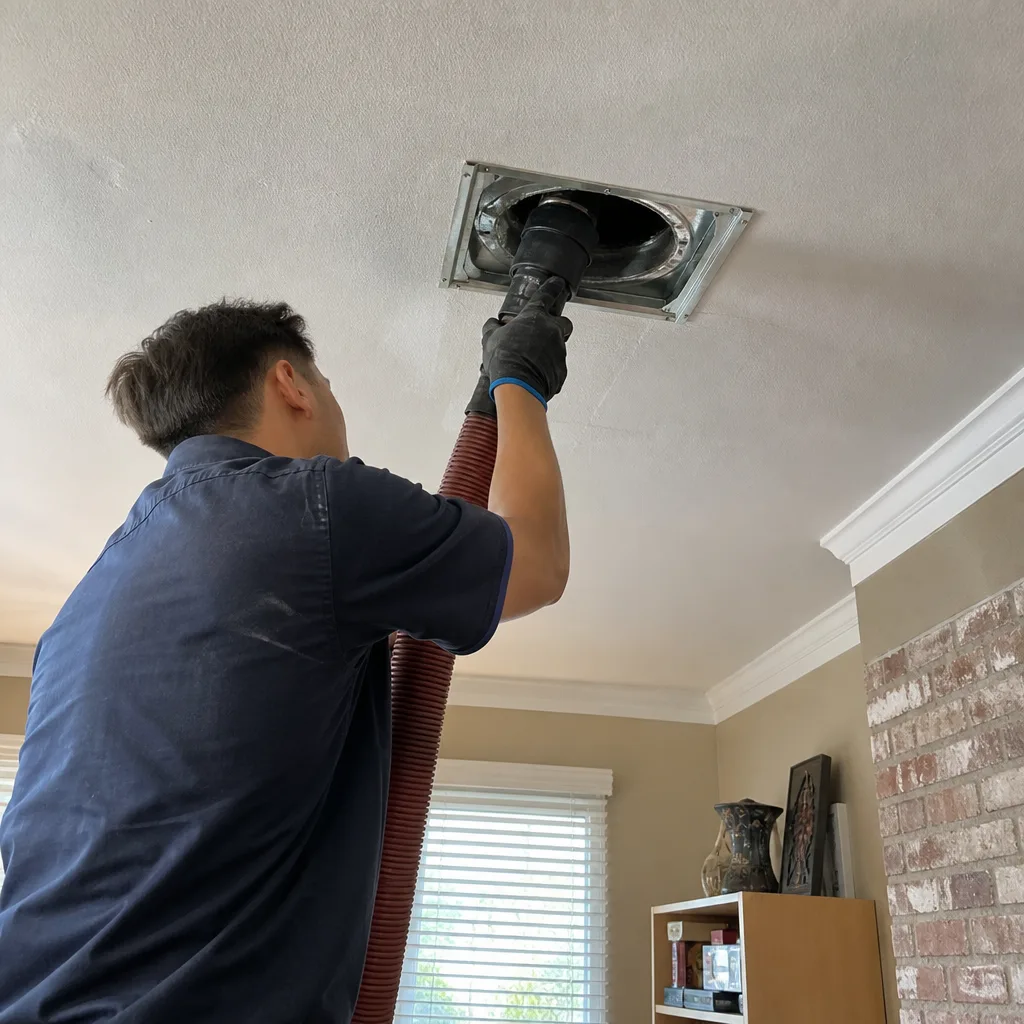
A professional cleaning uses a rotary brush, which means a brush head on a flexible rod that spins as it’s fed through the duct. We run Rotobrush systems, which scrub the full interior circumference of the duct, then follow with negative-pressure extraction. That term gets thrown around a lot: negative-pressure extraction simply means the vacuum is pulling air out of the duct the entire time the brush is working, so loosened debris goes straight into the collection unit instead of back into your laundry room. A shop-vac hooked to one end can’t generate the same sustained suction or reach.
Inline Anemometer Readings
After the brush work, a technician inserts an inline anemometer, a small instrument that measures airflow velocity inside the duct. This is the verification step most DIY approaches can’t replicate. The reading tells you whether the cleaning actually restored proper airflow or whether there’s still a restriction somewhere in the run. Without this measurement, you’re guessing. We record the before and after numbers for every dryer vent cleaning, so you can see the improvement in real units, not a vague “looks clean to me.” For seasonal air duct cleaning care tips for West Covina, see our year-round homeowner’s guide.
Camera Inspection of the Full Run
Rigid metal duct should last decades, but connections can separate, screws can puncture, and old plastic flex can tear invisibly inside a wall. A camera inspection confirms the duct is intact end to end and documents its condition for your records. This matters especially for crawlspace terminations where the run is hidden.
For most West Covina homes, annual professional cleaning is the right interval. Homes with rooftop terminations or vent runs longer than 15 feet should not stretch it further. The full dryer vent service usually runs between $140 and $220 in West Covina, depending on access and run length. We’ll give you a written price before anything starts, which is our standard practice on every Air Duct Cleaning in West Covina job as well.
The Plastic Flex Duct Problem in Pre-1990 West Covina Homes
If your West Covina home was built before 1990, there’s a real chance your dryer vent is corrugated plastic flex duct. Builders used it because it was cheap, flexible, and easy to pull through framing. It’s also a fire hazard. The ridges inside the duct trap lint aggressively, and when the plastic splits or melts under heat, it exposes the interior to structural materials.
California’s California Mechanical Code, which West Covina enforces, requires dryer exhaust ducts to be constructed of rigid metal with a smooth interior surface. Corrugated plastic flex duct does not meet code. Here’s the part most homeowners don’t realize: this isn’t only about fires. Plastic duct also reduces airflow even when it’s clean, because the corrugations create turbulence. That’s why dryers in older West Covina homes tend to underperform even after a thorough cleaning.
Replacement is straightforward. The old plastic is pulled out and replaced with 4-inch rigid galvanized or aluminum duct, secured at the joints with foil tape, never screws (screws catch lint). For tight connections at the dryer itself, a short length of UL-listed metal flex is acceptable under code. The material cost is modest, usually $60 to $100 for a typical run, and most of the labor is access work. If you’re already scheduling a dryer vent cleaning, ask the technician to inspect and quote the replacement. It’s the single most effective upgrade for older West Covina homes.
For the broader picture on ductwork condition and air quality, our guide to HVAC Cleaning in West Covina covers system-wide considerations.
Warning Signs That Demand Immediate Attention
Here’s the checklist of red flags. Any one of these means the vent needs service now, not at your next quarterly check. Several of them together means stop using the dryer until the work is done.
- Drying time exceeds 45 minutes for a normal load. The single most common indicator. The clothes aren’t the problem; the exhaust path is.
- Burning smell on the first run of the day. Lint that settled overnight is heating up. That smell is a smolder waiting to happen.
- Exterior cap flap doesn’t fully open during the cycle. Weak exhaust pressure means the clog is already significant.
- Laundry room feels hot and humid while the dryer runs. The heat isn’t leaving the house. Neither is the moisture, which invites mold on walls and ceilings.
- Clothes come out hot but damp. The dryer is heating fine but the moisture has nowhere to go. That’s a classic airflow failure signature.
- You can see lint around the exterior cap or building up behind the dryer. Visible lint at the termination point means the system is already backing up.
If you’re seeing one or more of these, call Cardinal Air Duct West Covina home at (424) 688-1845. We’ll assess the vent, show you the airflow numbers, and give you a written price before any work begins.
How to Log Maintenance for Insurance and Escrow
Documentation turns maintenance from a habit into an asset. Homeowners who keep a simple log of dryer vent work have a much easier time with insurance claims (if a fire does occur, the log shows due diligence) and with buyers during escrow, where a clean maintenance record signals a maintained home.
Here’s a simple system. Create a folder on your phone, named “Dryer Vent.” Every time you do anything, snap a photo and save it there with a date. That includes monthly lint screen washes, quarterly airflow tests, and the annual professional service. The photo itself timestamps the work. For professional service, keep the invoice and the before-and-after airflow numbers. A technician who provides before-and-after photo documentation of the duct interior, which we do as part of The Relay Standard on every job, gives you visual proof that the work was actually done, not just billed.
When it’s time to sell, this folder is worth real money. A buyer’s inspector will flag a clogged or damaged dryer vent. A seller who can hand over three years of dated cleaning records and airflow measurements neutralizes that objection before it becomes a negotiating point. In West Covina’s competitive market, that’s a meaningful edge.
Common Mistakes to Avoid
- Using the lint trap as your only line of defense. The lint screen catches maybe 75% of what the dryer produces. The other 25% goes into the duct. A clean screen is necessary but nowhere near sufficient.
- Ignoring a rooftop vent because it’s out of sight. Rooftop terminations in West Covina ranch homes are the highest-risk configuration. Out of sight is not out of risk; it’s the opposite.
- Relying on a shop-vac for a long vent run. A shop-vac can’t reach beyond the first few feet of duct, and it doesn’t agitate the walls to break up compacted lint. You’re cleaning the opening, not the duct.
- Pushing the dryer flush against the wall to save space. That kinks the flex connection at the rear, crimping airflow from day one. Leave at least four inches of clearance behind the machine.
- Replacing a damaged louver cap with whatever fits from the hardware store. The wrong cap creates backpressure and can actually trap lint worse than the original. Match the cap type to your vent configuration.
- Waiting for symptoms before scheduling a cleaning. By the time drying times stretch or smells appear, the clog is advanced. Annual service on the calendar prevents the symptom stage entirely.
- Assuming new construction means a clean vent. Even in newer West Covina developments, drywall dust and construction debris end up in duct runs during the build. A cleaning within the first two years is a good practice.
See the difference
 Before
 After
After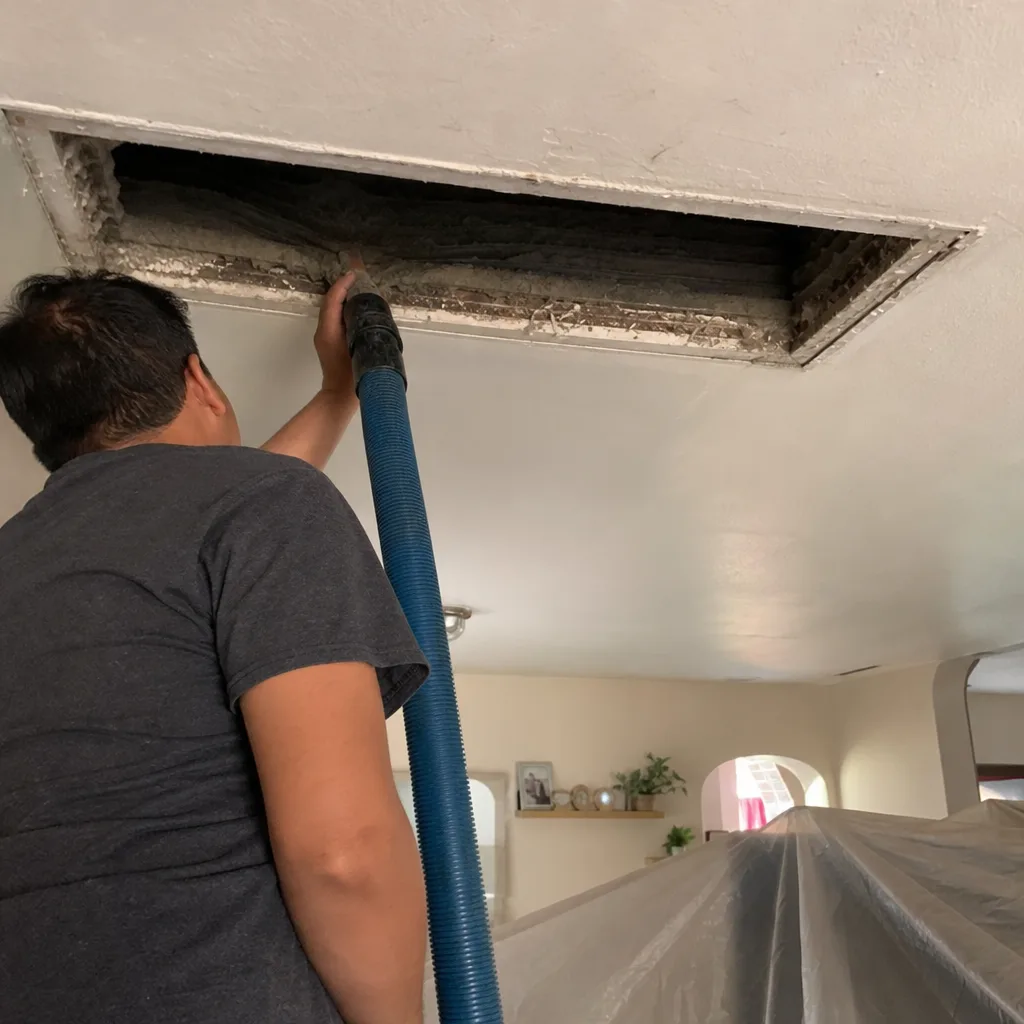 Before
 After
After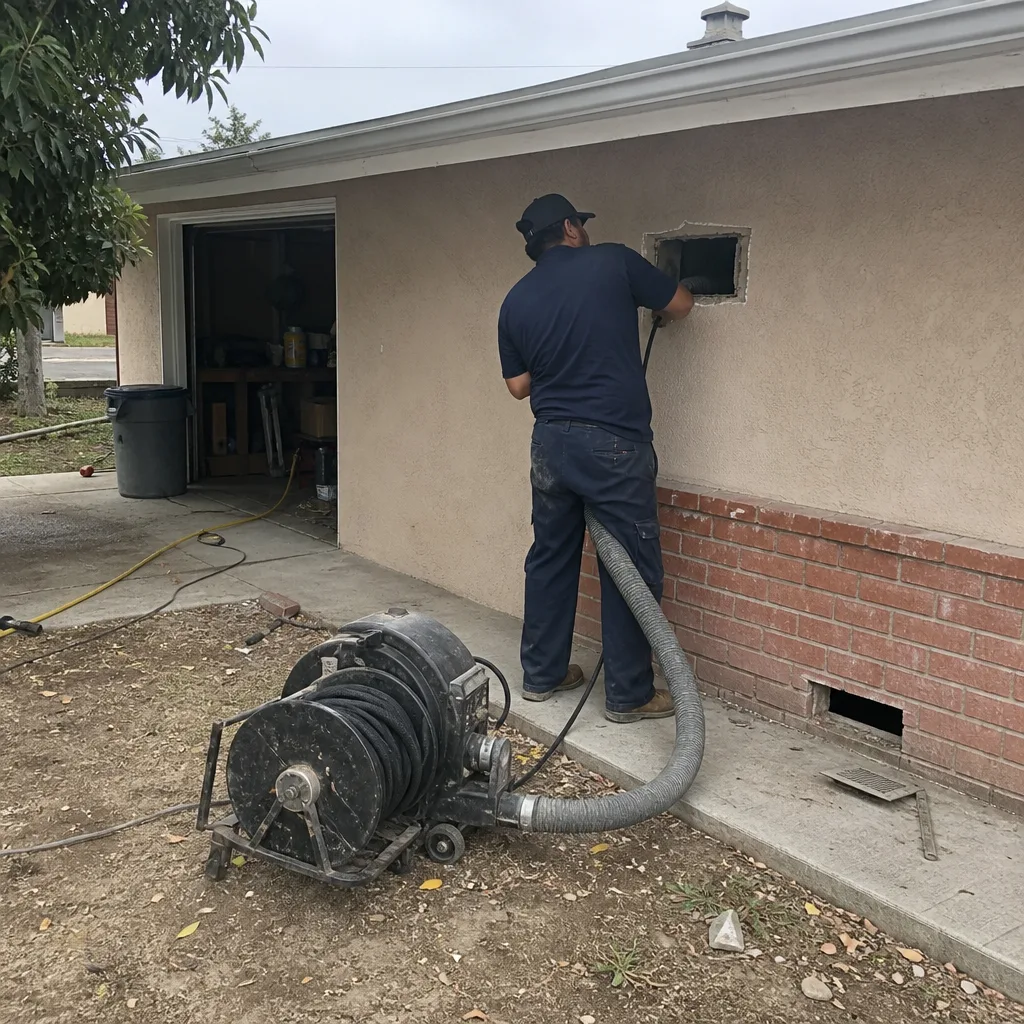 Before
 After
AfterWhen to Call a Professional
Call for professional dryer vent cleaning when drying time exceeds 45 minutes, when the exterior cap won’t fully open, when you detect a burning smell, or when a year has passed since the last service. Also call immediately if you know your home has plastic flex duct, a rooftop termination, or a vent run longer than 15 feet. Those configurations need annual service regardless of symptoms. If you can see or feel lint at the cap, or if your house is in escrow and the buyer’s inspector flagged the vent, get it handled before it becomes a deal term. Cardinal Air Duct West Covina offers free estimates for dryer vent cleaning in West Covina. Call (424) 688-1845 and a live person will answer, day or night.
Frequently Asked Questions
A typical dryer vent cleaning in West Covina runs between $140 and $220 depending on access, run length, and whether the vent terminates at a side wall or rooftop. Anything under $90 is usually a bait price that balloons with add-ons once the technician is inside. Anything over $300 should include camera inspection and airflow verification. Call (424) 688-1845 for an exact written quote; Cardinal Air Duct West Covina gives you the price before work starts, and it doesn’t change at the door.
Once a year is the minimum for most homes, with more frequent service for rooftop terminations, long runs over 15 feet, households with large dogs (pet hair accelerates lint buildup), and families doing six or more loads per week. The lint trap gets cleaned before every load, no exceptions.
Cheaper quotes usually cover a basic vacuum pass at the exterior cap and the first couple feet of duct. That leaves the restriction deeper in the run untouched. This is the exact bait-and-switch pattern that makes homeowners rightly suspicious of the trade. Ask what’s included: brush work through the full run, negative-pressure extraction, airflow measurement with an anemometer, and before-and-after photos. If those aren’t in the quote, the price isn’t comparable. Cardinal Air Duct West Covina includes all of those on every dryer vent cleaning, with a written price agreed before any work starts.
Request before-and-after photos of the duct interior and airflow readings. A legitimate professional will provide both. The airflow measurement, in cubic feet per minute, should be substantially higher after cleaning. If a company balks at showing you the inside of your own duct, that’s an answer by itself. We document every job with photos and numbers as standard practice.
Under California’s current mechanical code, which West Covina enforces, dryer exhaust duct must be rigid metal with a smooth interior. Corrugated plastic flex duct, common in pre-1990 homes, does not meet code and should be replaced. A short transition of UL-listed metal flex at the dryer connection is acceptable. Replacement typically costs $60 to $100 in materials plus labor, and it’s the right call for both safety and dryer performance.
For a side-wall vent under 10 feet with no bends, a quality drill brush kit can work. For longer runs, rooftop terminations, or any vent with multiple bends, the brush can’t reach the full path and may actually pack lint tighter at the bends if you’re not pulling debris out simultaneously. That’s the function of the negative-pressure extraction professional equipment provides. If your vent is anything other than short and straight, schedule a professional cleaning. Call (424) 688-1845 for a free estimate.
The Bottom Line
Dryer vent fires are preventable, and the prevention is boring. A monthly ten-minute check, a quarterly fifteen-minute inspection, and an annual professional cleaning. That’s the entire system. What makes it work is knowing your vent configuration and respecting what it demands: rooftop terminations need annual professional attention, plastic flex duct needs replacement, and long runs need airflow verified with real measurements. The homes that burn aren’t unlucky. They’re unmaintained. Yours doesn’t have to be. Start the log today, and if it’s been more than a year since your last cleaning, call (424) 688-1845 for a written quote. For more guides & resources on home maintenance, visit our blog. The service costs less than a quarter of what the deductible on a dryer fire claim would run.
Written by Omar Haddad, Owner at Cardinal Air Duct West Covina, serving West Covina since 2005.