
Last updated October 15, 2026
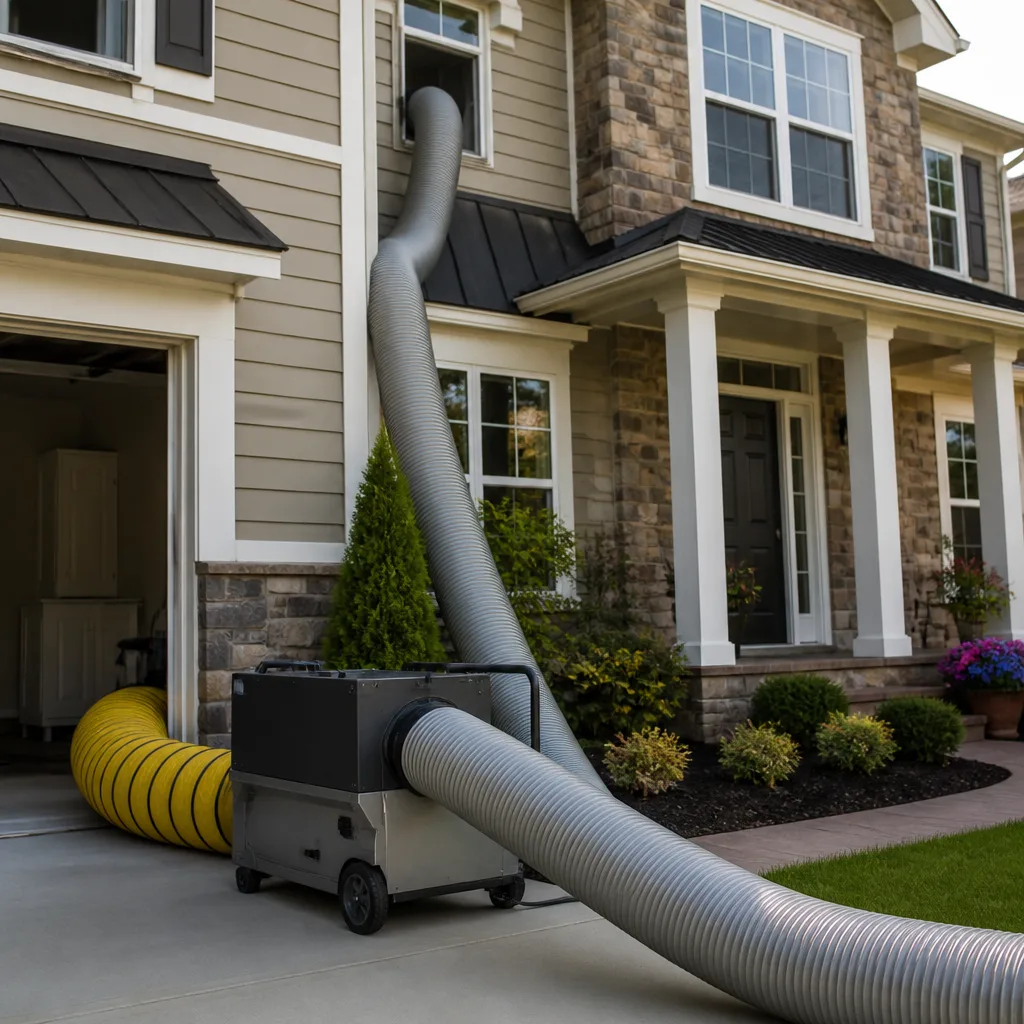 Whole-home duct cleaning
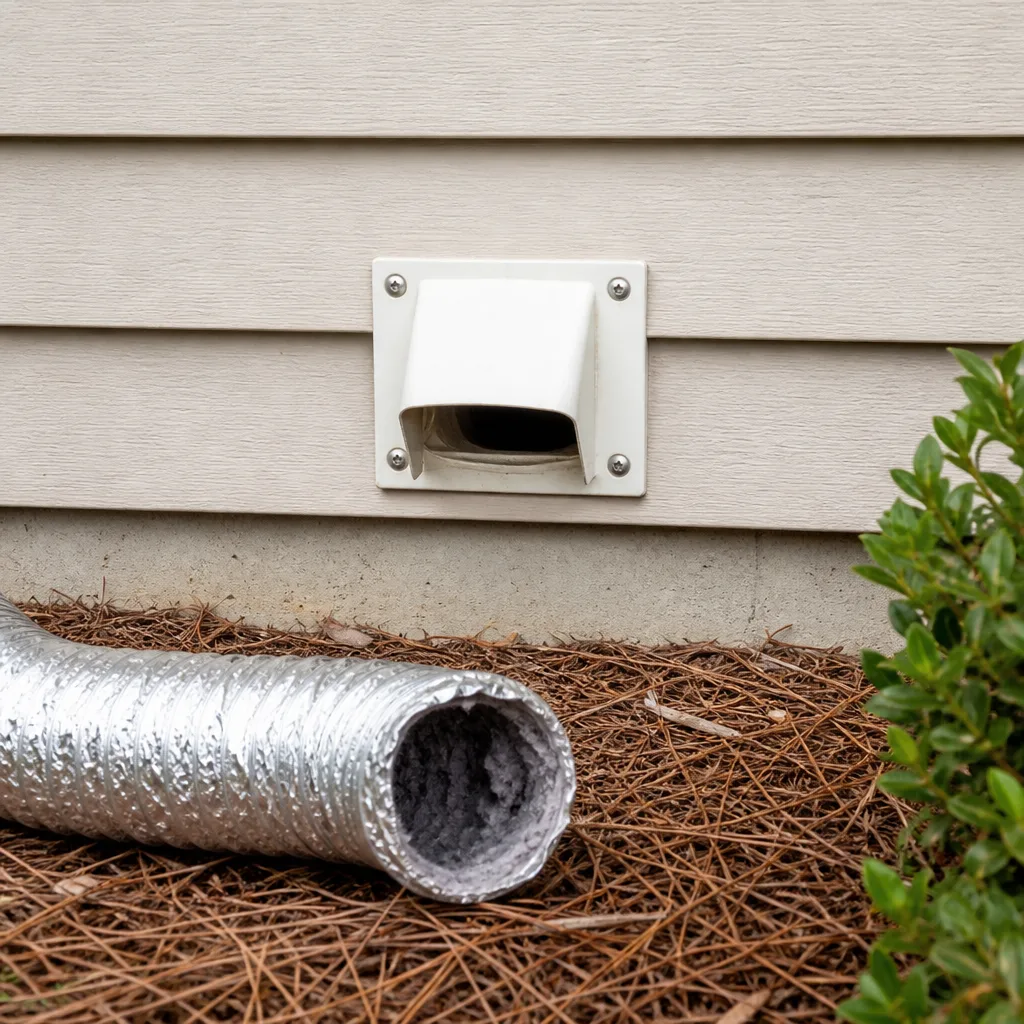 Dryer vent cleaning
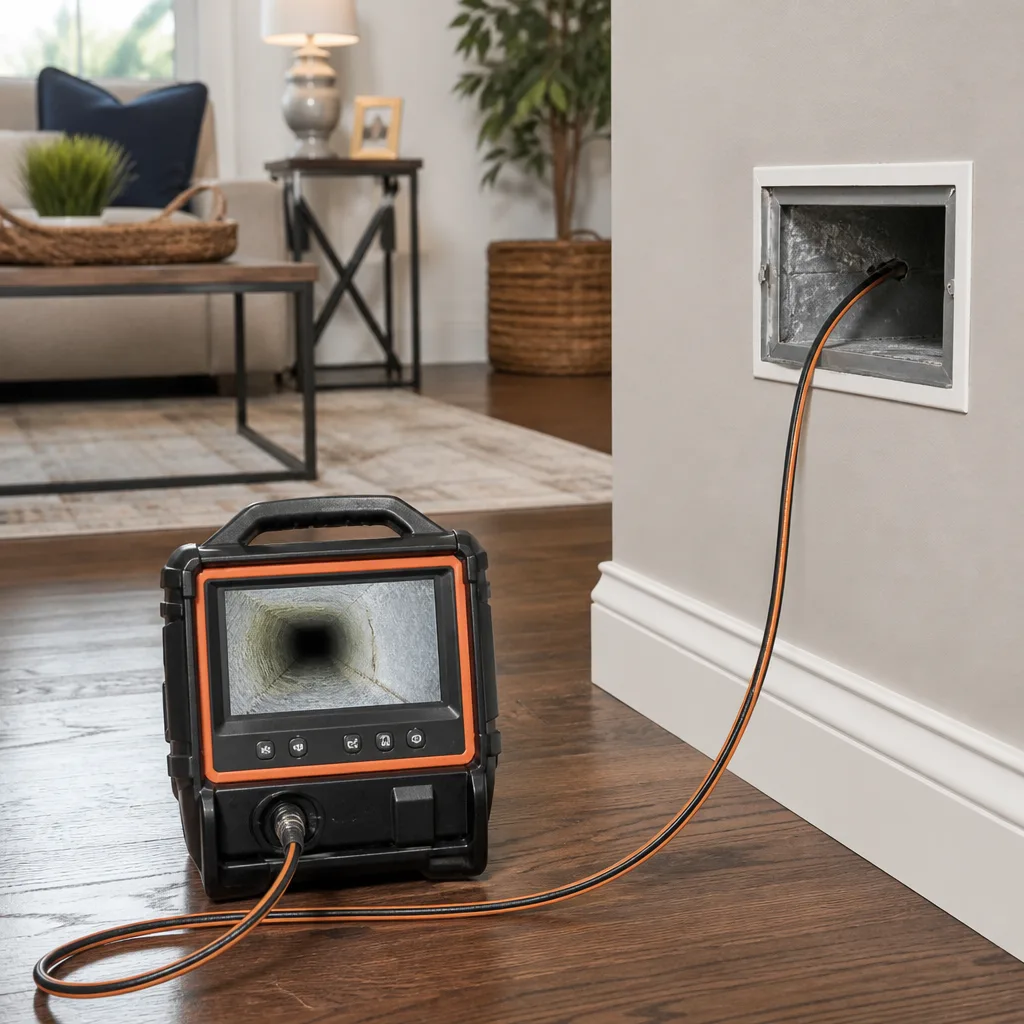 Camera inspection
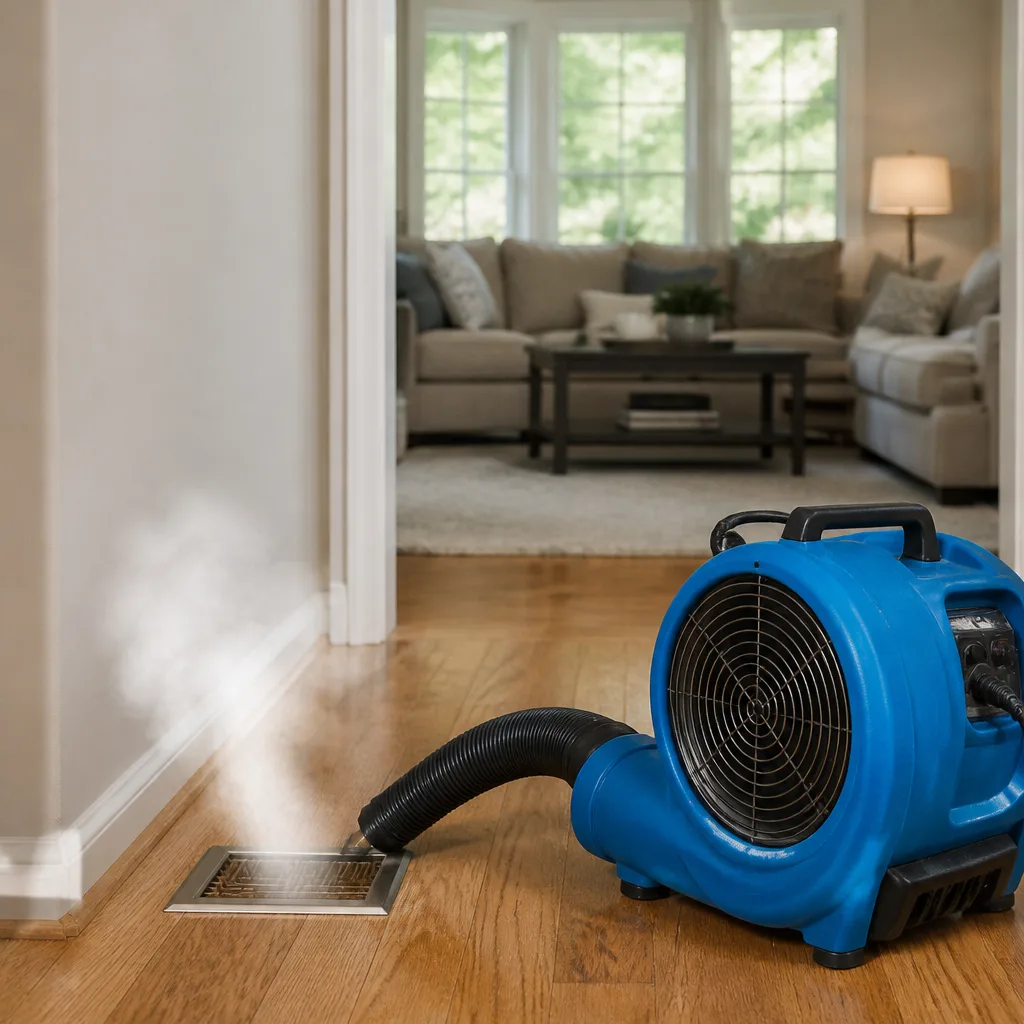 Sanitizing & deodorizing
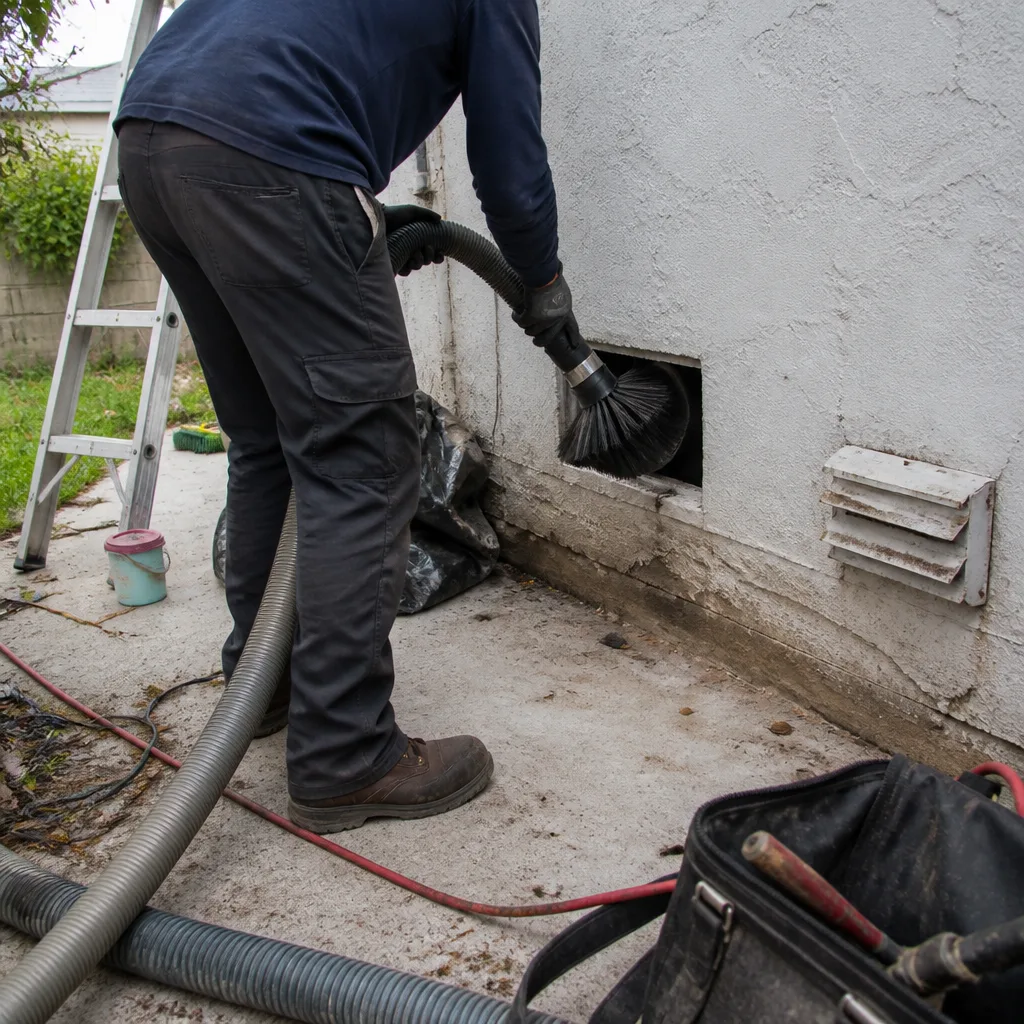
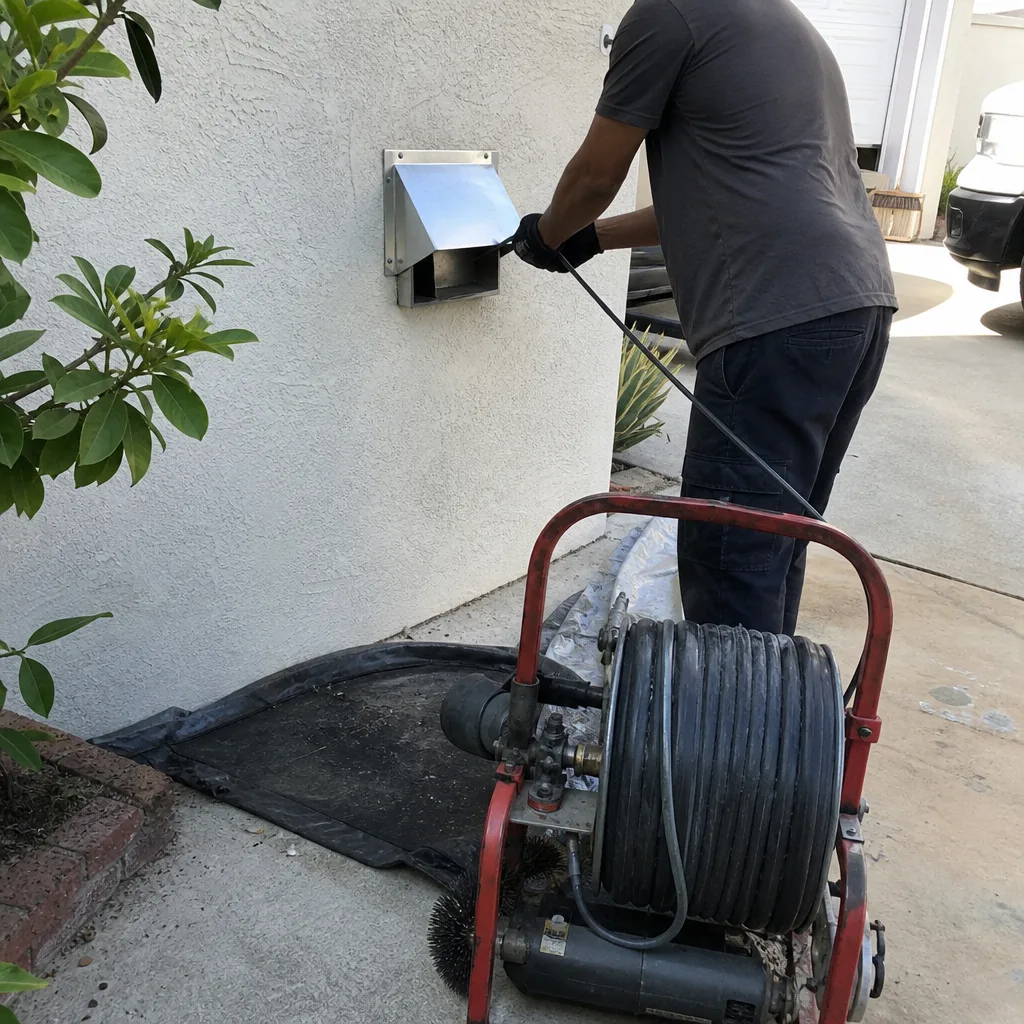
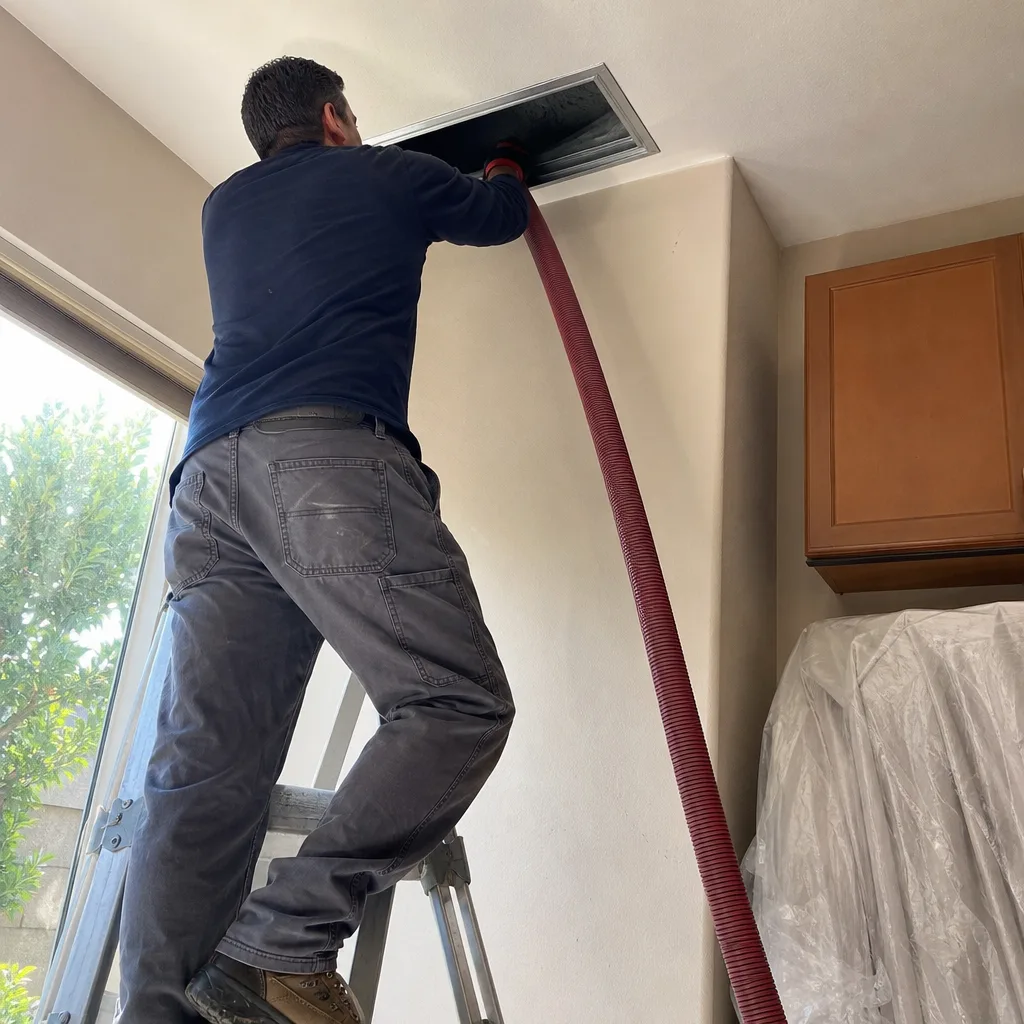
Whole-system duct and dryer vent check with before-and-after photos - you see exactly what came out of your vents
That "$99 whole-house special" is a bait ad - the real number appears once they are in your hallway, or the "clean" is a shop-vac at the register. We photograph the inside of your ducts before and after instead.
How to Hire a Air Duct Cleaning Contractor in West Covina: A Step-by-Step Guide
Here is a fact that surprises most West Covina homeowners the first time they hear it: California does not require a specific state contractor’s license to clean air ducts. The Contractors State License Board has no duct cleaning classification, which means the legal barrier to entry for someone calling themselves an air duct cleaner is essentially a business license and a website. That makes hiring in West Covina fundamentally different from hiring an electrician or a plumber, where a state license proves baseline competence before you ever read a review. This guide walks through the exact vetting framework we use when homeowners ask us what they should look for, done in seven straightforward steps.
Styles & brands we work with
Quick Answer
The safest way to hire an air duct cleaning contractor in West Covina is to request four documents before booking: a general liability certificate of insurance, workers’ compensation proof, a recognized training credential such as NADCA membership, and a written scope of work with line-item pricing. Skip any contractor who quotes “per vent” pricing without a total cap, refuses to provide written documentation, or uses consumer-grade equipment instead of commercial negative-air systems. A legitimate West Covina duct cleaning should include upfront written pricing, HEPA-filtered extraction, and photo documentation of the work.
Table of Contents
- Why Licensing Doesn’t Protect You (and What Does)
- Step 1: Request Four Documents Before Booking
- Step 2: How to Read a Quote Without Getting Burned
- Step 3: Equipment as a Proxy for Professionalism
- Step 4: Why Google Reviews Alone Are Not Enough
- Step 5: Hold Every Contractor to a Visibility Standard
- Step 6: Spotting Bait-and-Switch Pricing Before the Van Arrives
- Step 7: What West Covina Homes Specifically Need
- Common Mistakes to Avoid
- When to Call a Professional
- Frequently Asked Questions
- The Bottom Line
Why Licensing Doesn’t Protect You (and What Does)
In California, air duct cleaning falls into a regulatory gap. The CSLB licenses HVAC contractors for installation and repair work, but air duct cleaning as a standalone service does not require a C-20 HVAC license, a general contractor’s license, or any specialized state certification. In practical terms, a person in West Covina can buy a shop vac, print business cards, and legally market themselves as an air duct cleaning professional tomorrow morning.
This does not mean every unlicensed duct cleaner is a problem. It means the burden of verification shifts entirely to you, the homeowner. When a state license creates a floor, you can assume minimum competence. Without that floor, you need substitute signals: third-party training credentials, insurance documentation, commercial equipment, and a pricing structure that cannot be manipulated at the door. We have been doing air duct cleaning in West Covina long enough to know that the best predictor of a good job is not the logo on the van but the documentation in the folder and the equipment carried onto the property.
West Covina’s housing stock also plays a role here. Many homes in neighborhoods like South Hills, Woodside, and the Ridgeline communities were built between the 1950s and 1980s. Those duct systems have decades of accumulated dust, often wrapped in older insulation that requires careful handling. A contractor without proper training can damage that insulation or, worse, loosen debris without capturing it, leaving your living room dustier than before the cleaning started.
Step 1: Request Four Documents Before Booking
The single most effective filter in this unregulated market is documentation. Before you book any air duct cleaning in West Covina, ask for these four items. A legitimate operation will provide them without hesitation. A contractor who stalls, deflects, or says they will bring paperwork to the job is telling you what you need to know.
- General liability certificate of insurance. This protects your home if the contractor damages it during the work. Ask for a certificate that lists you as the certificate holder, added directly by the insurance carrier, not a PDF the contractor keeps on their phone. The coverage minimum we recommend is $1 million per occurrence, but the existence of the certificate matters more than the exact figure.
- Workers’ compensation proof. If a worker gets injured in your home and the contractor lacks workers’ comp, the liability can fall on your homeowner’s insurance. In California, workers’ compensation is required for any business with employees. Ask for the policy number and carrier name, then verify it with the carrier if you want full certainty.
- NADCA membership or equivalent training credential. The National Air Duct Cleaners Association is the trade body for this industry, and its members certify adherence to ACR cleaning standards, the most widely accepted method for air duct cleaning in North America. NADCA membership is not a government license, but it is the closest thing this trade has to a professional credential. Some companies also carry certifications from manufacturers like Rotobrush, which trains operators on specific brush systems.
- A written scope of work with line-item pricing. This is the document that separates predictable jobs from bait-and-switch situations. It should list exactly which duct runs get cleaned, how many supply and return vents are included, whether the dryer vent is part of the job, what the final price is, and what happens if additional problems like mold or pest debris are discovered once the system is opened.
When we book a job through Cardinal Air Duct West Covina, every customer receives a written price before any work starts. That price does not change at the door, and the scope spells out precisely what the technician will and will not do. If you are comparing contractors in West Covina and one of them cannot produce these four items before the booking date, that is not a red flag. It is a decision.
Step 2: How to Read a Quote Without Getting Burned
Air duct cleaning quotes come in two structures, and understanding the difference is the fastest way to protect yourself from the industry’s most common pricing trap. We will explain both, because the structure itself usually tells you how the final bill will actually behave.
Per-vent pricing. This is how bait-and-switch operators structure their quotes. They advertise a low number, say $49 or $69, with an asterisk or a vague phrase like “per vent” or “per duct run.” The average West Covina single-family home has 10 to 14 supply vents plus at least one return, and if the “cleaning” separates the furnace plenum, the return drop, and the main trunk line into additional charges, the final invoice can climb to $600 or $900 before you can blink. The low advertised number was never the real price. It was a door-opener.
Whole-system flat pricing. This is the structure we use and the one we recommend you insist on. A flat price covers the entire duct system: supply runs, return runs, trunk lines, plenum, and the blower compartment. Your quote says one number, you approve that number in writing, and that number is what you pay. If the technician opens the system and finds unexpected material like construction debris, the scope of work document should specify exactly how that gets handled and whether it changes the price, before the work continues.
Two questions reveal a bait-and-switch structure before work starts. First, ask: “Is the price you quoted the total price for my entire duct system, or is it per vent?” If the answer hesitates or qualifies, walk away. Second, ask: “If you find something unexpected, like mold or a dead animal in the ductwork, what happens to the price and who approves the remedy?” A professional West Covina duct cleaner has a clear answer: the work stops, you get shown the problem with photo evidence, and you approve any additional scope in writing before it proceeds.
For context on what honest pricing looks like, a whole-system air duct cleaning in West Covina for a typical 3-bedroom home generally runs between $350 and $600 depending on system size, accessibility, and whether dryer vent cleaning is included. That is a real range for real work done with commercial equipment. A quote far below that deserves a hard look at what is being omitted.
Step 3: Equipment as a Proxy for Professionalism
Since California does not license air duct cleaners, the equipment a company runs becomes one of the most reliable public signals of how serious they are. You do not need to become an equipment expert, but you should know the difference between a professional rig and a consumer-grade shortcut.
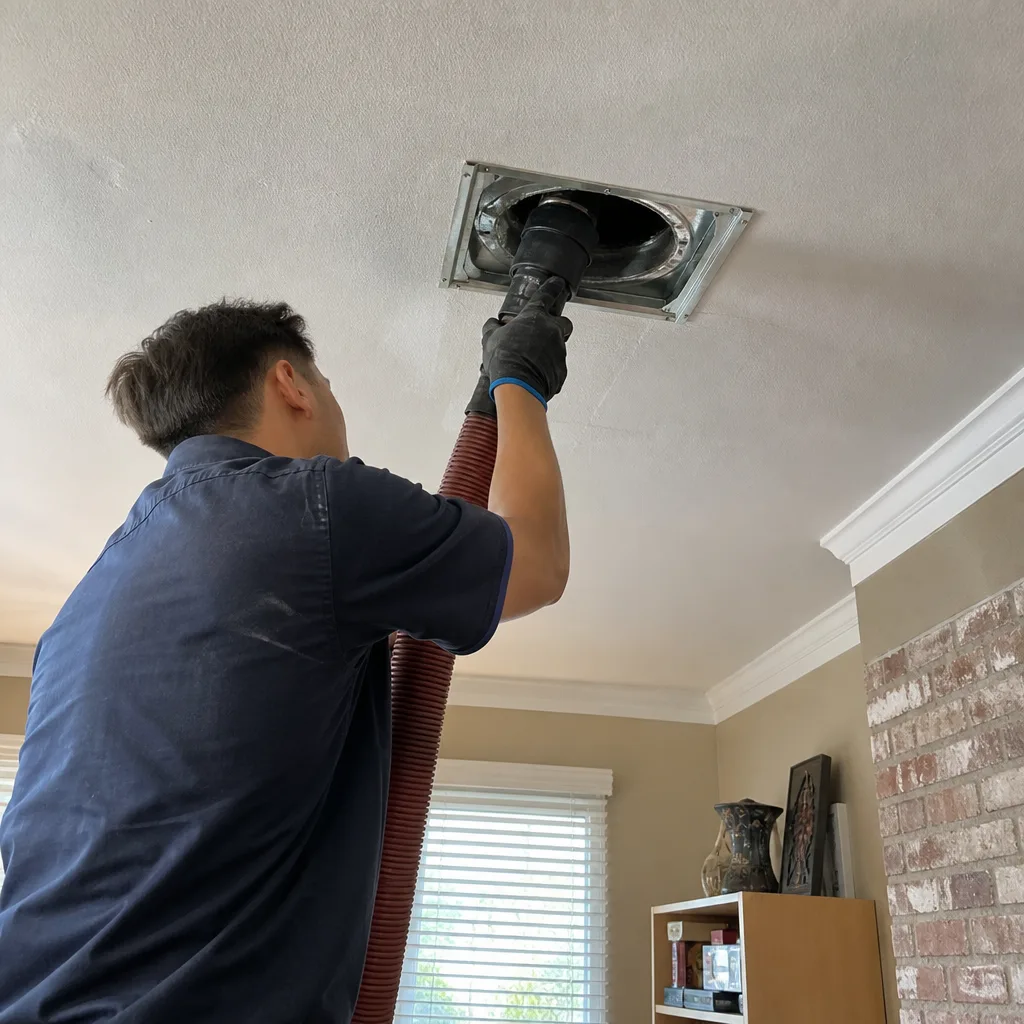
Professional air duct cleaning uses a concept called negative-pressure extraction. That means the entire duct system is placed under vacuum while agitation tools dislodge the debris. The loosened particles get pulled into the vacuum and contained, rather than blown around your home. To do this properly, a contractor needs either a truck-mounted vacuum unit capable of pulling thousands of cubic feet per minute, or a portable unit engineered for the same job.
Two manufacturers dominate the professional portable space: Nikro and Abatement Technologies. Nikro builds HEPA-rated negative air machines with multiple-stage filtration, and Abatement Technologies produces containment and negative-air units used in duct cleaning and mold remediation. Both signal commercial-grade work. Rotary brush systems, most commonly from Rotobrush, feed a spinning brush through the duct runs to agitate caked-on debris while the vacuum extracts it. Honeywell and Aprilaire are names to recognize on the filtration side, since a quality duct cleaning should leave you with options for better media filtration if your system needs it.
When you ask a contractor what equipment they use, listen for those brand names or their equivalents. Ask specifically whether the vacuum exhausts outside or through a HEPA filter inside your home. A professional answer references HEPA filtration and containment. A residential shop vac has neither the suction power nor the filtration to do this work properly, and pushing one through a duct system dislodges more dust than it captures. In our experience cleaning ducts across West Covina since 2005, the equipment conversation is where unserious operators reveal themselves fastest.
Step 4: Why Google Reviews Alone Are Not Enough
Reviews are not worthless. They just cannot carry the weight that homeowners in an unregulated trade want them to carry. A five-star Google profile tells you a company is good at sales, punctual, and polite. It does not tell you whether the technician used a HEPA vacuum or a shop vac, whether the duct system was actually cleaned, or whether the final price matched the quote.
More importantly, reviews are gameable. In West Covina and across the San Gabriel Valley, there are known patterns of contractors trading discounts for reviews, or worse, buying them. A carefully curated wall of five-star ratings with suspiciously similar language is not evidence of technical competence. It is evidence of a marketing budget.
If you use reviews at all, read them differently. Look for language that indicates the reviewer understood the technical work: mentions of before-and-after photos, references to equipment, comments about the dryer vent or the return air drop, specific notes about what was found in the ducts. Reviews that say “great service, nice guys, on time” describe a customer service experience. Reviews that say “they showed me the pull of debris from my return and the before-and-after photos of each supply run” describe a technical job. One of those is a vetting signal. The other is largely noise.
What actually protects you in this market is the documentation and equipment conversation from Steps 1 through 3, plus one more thing: a written guarantee that extends beyond the day of service. Ask any West Covina contractor you are evaluating what happens if the work fails, how long the guarantee lasts, and whether a second visit is free. In our trade, the meaningful answer is measured in months and years, not in “give us a call if anything comes up.”
Step 5: Hold Every Contractor to a Visibility Standard
The ordinary way to hire a home service means accepting invisibility: a four-hour arrival window, a quoted price that shifts once the work begins, and no way to verify the work was done except taking someone’s word. In an unregulated trade, that default is dangerous. The more of the process you can see, the fewer places a bad operator has to hide.
We believe this strongly enough that it is baked into how we operate. Cardinal Air Duct West Covina works under what we call the Relay Visibility Guarantee, a standard inherited from our parent company, Relay Home Co., founded in 2005. The guarantee has three parts: a live trackable arrival time, before-and-after photo documentation of the work, and a written price handed to you before a single duct is touched. You know when the technician is coming, you see what the technician did, and you know what the bill is before the work begins. There is no moment in the process where you are guessing.
Any contractor can be held to the same standard. Here is the practical version:
- Ask for a live arrival window. Not a four-hour block. Not “somewhere between 9 and 1.” A live, trackable window you can follow from your phone, the same way you track a delivery or a ride. If a company cannot provide this, that is a scheduling operation without the infrastructure to support accountability.
- Ask for before-and-after photos. Every professional job should include visual proof of the work: the inside of the supply run before cleaning, the same run after, the return plenum, the blower compartment. If a contractor does not offer photos, ask why. You cannot verify what you cannot see.
- Ask for a digital invoice. A paper receipt scrawled in the driveway is a red flag for a company without operational infrastructure. A digital invoice payable by link, with the line items matching the written scope of work, is the modern baseline.
This visibility standard should not be aspirational for West Covina homeowners. It is the bare minimum, and every contractor who cannot meet it is telling you something about how much accountability they are willing to accept.
Step 6: Spotting Bait-and-Switch Pricing Before the Van Arrives
The most common scam in air duct cleaning is not a fake company that takes your money and disappears. It is a real company that gives you a low quote, arrives at the job, and then manufactures reasons for the price to climb. The technique has a familiar rhythm, and once you know the pattern, you can catch it in the first phone call.
The pattern looks like this: a company advertises a deep discount for a whole-home duct cleaning. The number is low enough to feel like a deal, $79 or $99. When you call, nobody asks about your system size, your square footage, or how many vents you have. You get quoted the same low number regardless. When the technician arrives, they open a vent and tell you there is a problem: the system is “extra dirty,” there is “visible mold,” or the ducts have “construction debris” that counts as a separate service. Each of these adds a new line item. The final bill lands at $700 or $900, and because the van is already in the driveway and the system is open, most homeowners pay it.
Here is how a legitimate operator behaves instead. The phone call includes questions about your home: approximate square footage, number of bedrooms, whether you have a single system or multiple, how long the ducts have been since last cleaned, whether you have pets or smokers in the home. That information informs a real quote. When the work begins, the scope is already written and approved. If something unexpected surfaces, the work stops, you get shown photo evidence, and you approve any change in writing before it proceeds. The price does not climb on its own.
The fastest test is this: if a company quotes you a price without asking a single question about your home, you are not being given a quote. You are being given a door-opener. Hang up and call someone who asks real questions.
For the homeowners we serve through our HVAC cleaning in West Covina, this distinction is the difference between a predictable invoice and a driveway negotiation. The written-price standard we operate under exists specifically because this bait-and-switch pattern is so common in our trade, and because homeowners deserve better than a discount that evaporates on arrival.
Step 7: What West Covina Homes Specifically Need
West Covina’s geography and housing stock create duct cleaning conditions that differ meaningfully from other parts of the San Gabriel Valley. If you live here, these are the factors that should shape how you hire.
Older duct systems. A large share of West Covina’s single-family homes date from the 1950s through the 1980s. Many of those duct systems have never been replaced, and some still run through unsealed wall cavities or aging fiberglass-lined trunk lines. That age means the debris load is often heavier, and the cleaning needs to be gentler. High-pressure aggressive agitation can damage old duct connections or tear loose insulation. Whoever you hire should know how to work older systems without causing damage, and should document the condition of the ductwork before starting.
Dust and particulate load. West Covina sits at the eastern edge of the Los Angeles Basin, where the prevailing onshore flow pushes accumulated particulate toward the San Gabriel Valley. Combined with seasonal Santa Ana winds that carry dust and fine sand from the Inland Empire, the result is a continuous particulate load on home filtration systems. Ducts in this area accumulate dust faster than in coastal communities, which means the service question is less “does it need cleaning” and more “how often.” For most West Covina homes, the answer is every 3 to 5 years, more frequently if you have pets, smokers, recent construction, or allergy-sensitive occupants.
Dryer vent risk. The dryer vent is the most dangerous part of any exhaust system in your home, and West Covina’s older housing stock often has long vent runs or aging flexible ducting that accumulates lint quickly. A clogged dryer vent is a leading cause of house fires in the United States. We recommend every home have its dryer vent cleaned in West Covina at least once a year, and more often if you run the dryer daily or have a long vent run from the laundry room to the exterior.
Filtration upgrades. After decades of particulate load, many West Covina homeowners benefit from upgrading their return-side filtration. Brands like Aprilaire and Honeywell offer media filters that outperform standard 1-inch fiberglass panels, capturing significantly more fine particulate before it reaches the coils and duct surfaces. The best time to discuss filtration is during a duct cleaning, when the system is open and the technician can see what is actually moving through your air.
This is also the point where local knowledge actually matters. A contractor who works mostly in newer developments in Orange County may not recognize the duct patterns common in a 1960s Woodside ranch or a two-story home near Shadow Oak Park. We have spent enough time inside enough West Covina home duct systems to know what those houses present, and that experience matters when a quote is being assembled.
Common Mistakes to Avoid
- Booking on price alone. In an unregulated trade, the lowest quote is rarely the best deal. The $79 coupon often becomes a $700 invoice once the technician manufactures findings. Insist on a written whole-system price before you book, and treat any quote far below the $350-$600 West Covina range with suspicion.
- Accepting a vague scope. “Duct cleaning” without a written list of supply runs, return runs, trunk line, and plenum is not a scope of work. It is a suggestion. If the document does not say what is included, assume nothing is included.
- Treating reviews as certification. A polished Google profile is a marketing asset, not a technical credential. Reviews describe service experience. Documentation, equipment, and written guarantees describe competence. Require both.
- Skipping the dryer vent. Homeowners often price-shop a duct cleaning and leave the dryer vent out of the scope to save money. The dryer vent is the highest-fire-risk element of the exhaust system in your home, and a partial job is not a savings.
- Hiring without verifying insurance. If a contractor damages your home and lacks general liability coverage, you are left negotiating with your own insurer or eating the cost. Verify the certificate before the job, not during it.
- Accepting verbal guarantees. “Don’t worry, if anything goes wrong we will come back” is not a guarantee. A written guarantee with a clear duration, like the 365-day Done Right Promise we operate under, is an enforceable commitment. Ask for it in the scope of work.
- Ignoring equipment questions. If a contractor comes to your West Covina home with a residential shop vac, that is not a style difference. It is a technical failure. Ask what equipment they use and what filtration it carries before you book.
When to Call a Professional
Some home maintenance tasks tolerate a weekend effort. Air duct cleaning is not one of them. The system sits behind finished walls, runs through cavities you cannot access, and the debris inside is often abrasive, allergenic, or both. Without negative-pressure containment, any attempt to dislodge that debris sends it into your living space. You are also working around furnace components, gas lines, and electrical connections, none of which respond well to improvised tools.
The right moment to call a professional is before the system becomes a problem: when you notice visible dust accumulating around supply vents shortly after cleaning, when allergy symptoms worsen indoors, when you have completed a renovation, after moving into a new home, or when you cannot remember the last time the ducts were cleaned. Trust your nose too. If a musty or stale smell comes from the vents every time the system runs, the ducts are talking to you. Cardinal Air Duct West Covina offers free estimates by phone. Call (424) 688-1845.
Frequently Asked Questions
For a typical 3-bedroom West Covina home, a whole-system air duct cleaning generally costs between $350 and $600. That range includes supply runs, return runs, trunk lines, plenum, and blower compartment cleaning using HEPA-filtered negative-pressure equipment. Quotes significantly below that range should be examined for per-vent pricing structures or omitted scope. Call (424) 688-1845 for an exact written quote on your specific system.
No specific state contractor’s license is required for air duct cleaning in California. The CSLB has no duct cleaning classification, which is why homeowners need to verify training credentials, insurance, equipment, and written scopes of work instead of relying on a license number.
Ask for before-and-after photos of the inside of the supply runs, return plenum, and blower compartment. Any professional air duct cleaner in West Covina should provide visual documentation of the work, not just a verbal confirmation. If photos are not offered, request them before the job is marked complete.
Lower quotes usually reflect either per-vent pricing structures that balloon once the technician arrives, consumer-grade equipment that cannot extract properly, or omitted scope like the dryer vent and return plenum. A legitimate whole-system cleaning in West Covina using commercial negative-air equipment costs what it costs because the equipment, insurance, training, and documentation are real expenses.
Most West Covina homes benefit from air duct cleaning every 3 to 5 years. Homes with pets, smokers, recent renovation work, or occupants with allergies may need cleaning more frequently. Dryer vents, by contrast, should be cleaned annually regardless of the duct schedule.
For a typical single-family home in West Covina, a full air duct cleaning takes between 3 and 5 hours, depending on system size, accessibility, and whether dryer vent cleaning is part of the scope. We schedule work in advance and give you a live arrival window so you are not waiting through a four-hour block.
The Bottom Line
The air duct cleaning trade in California is unregulated at the state license level, which means the responsibility for vetting falls on the homeowner, and the tools for vetting are documentation, equipment knowledge, and pricing structure literacy. Request the four documents, insist on whole-system flat pricing, ask what equipment the technician carries, read reviews for technical language rather than star count, and hold every contractor to a visibility standard that includes live tracking, written pricing, and photo proof. A good hire is not luck. It is a sequence of questions, and the answers either hold up or they do not. If you would rather skip the vetting process and deal with a West Covina company that already operates to this standard, call us for a free estimate. We are happy to talk through your system, your questions, and your quote, without pressure and without vagueness.
Call Cardinal Air Duct West Covina at (424) 688-1845 for a free written estimate on air duct cleaning, HVAC cleaning, or dryer vent cleaning anywhere in West Covina.
Written by Omar Haddad, Owner at Cardinal Air Duct West Covina, serving West Covina since 2005.
See the difference
 Before
 After
After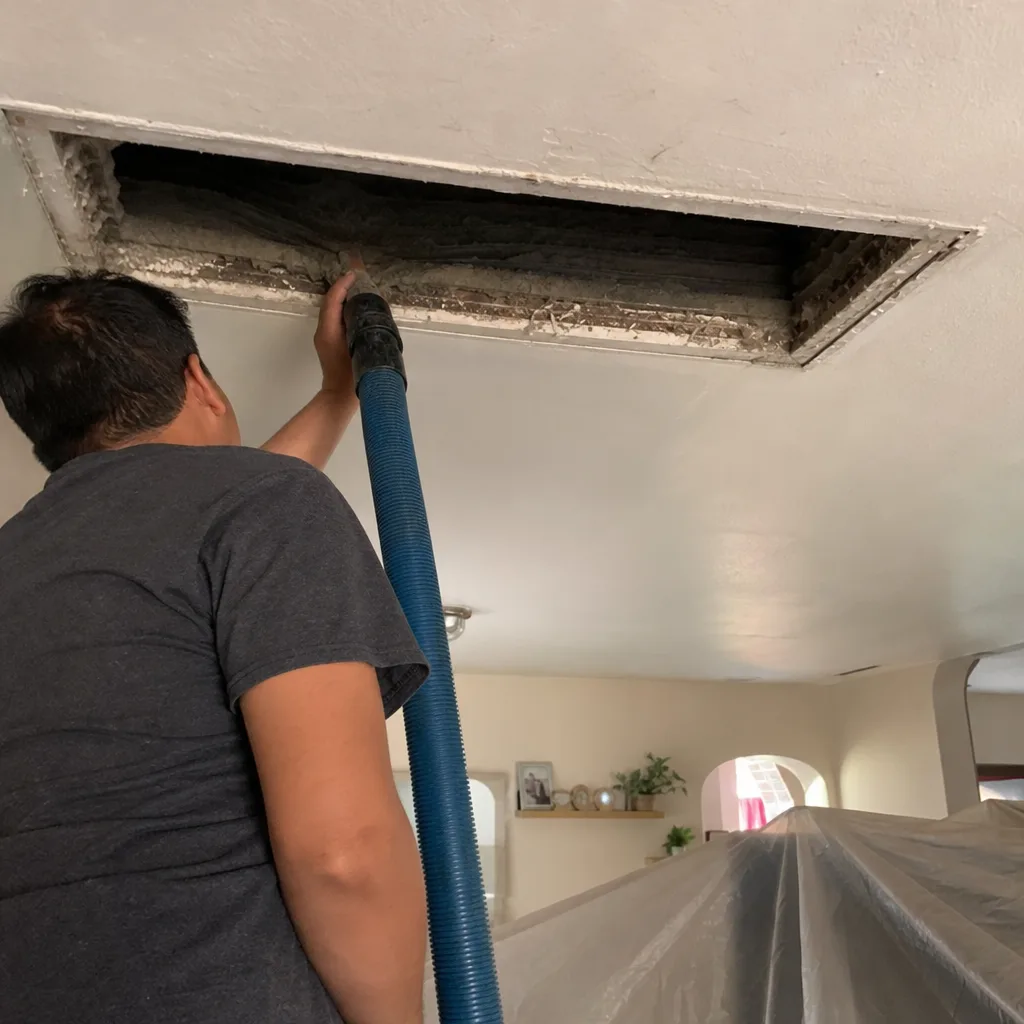 Before
 After
After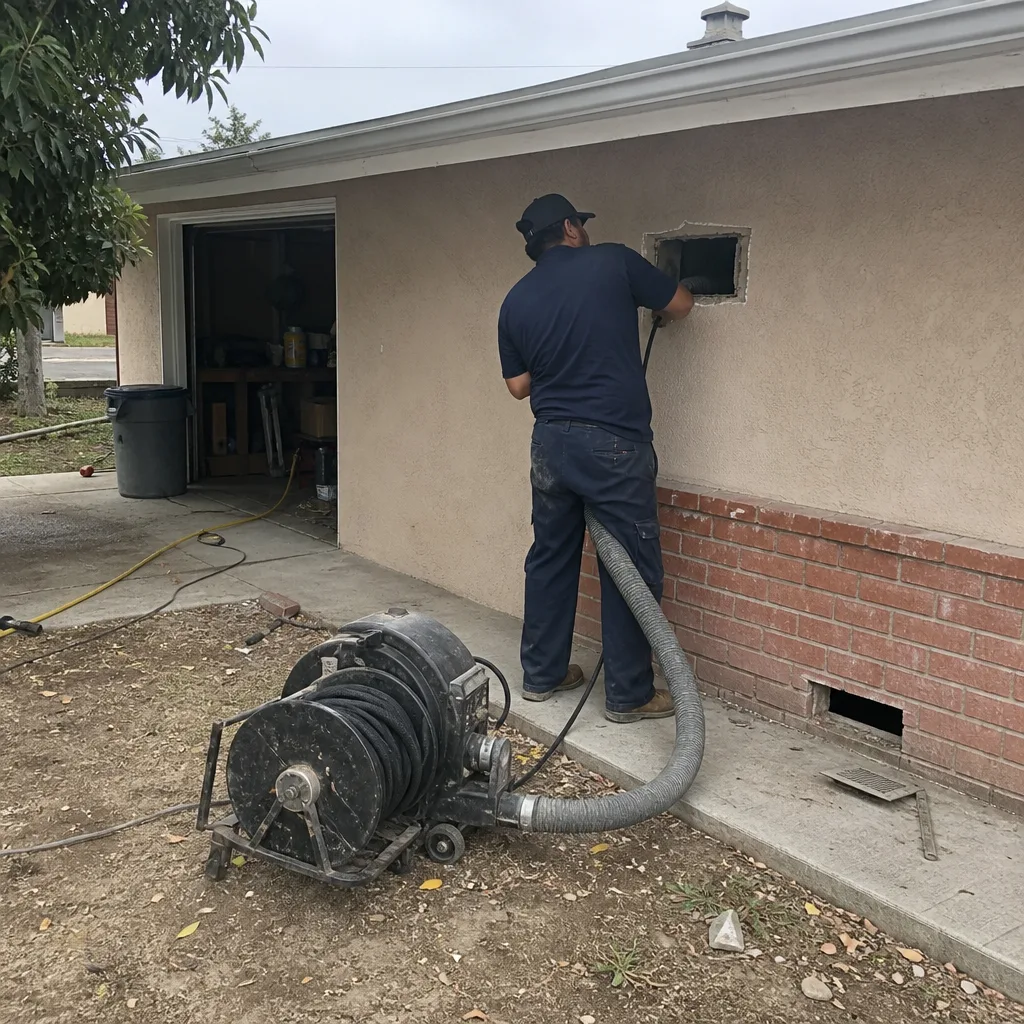 Before
 After
After